
Do you own a business? If you do, it is probably associated with a CPP (Common Point of Purchase). This doesn’t mean that fraudulent purchases were made at your business, only that it was the target of a security breach. This could mean that your customers’ credit card information was compromised.
Category: PCI DSS
Stay up-to-date with PCI DSS compliance. Explore in-depth guides, implementation steps, and best practices to safeguard payment data and meet regulatory standards.
-
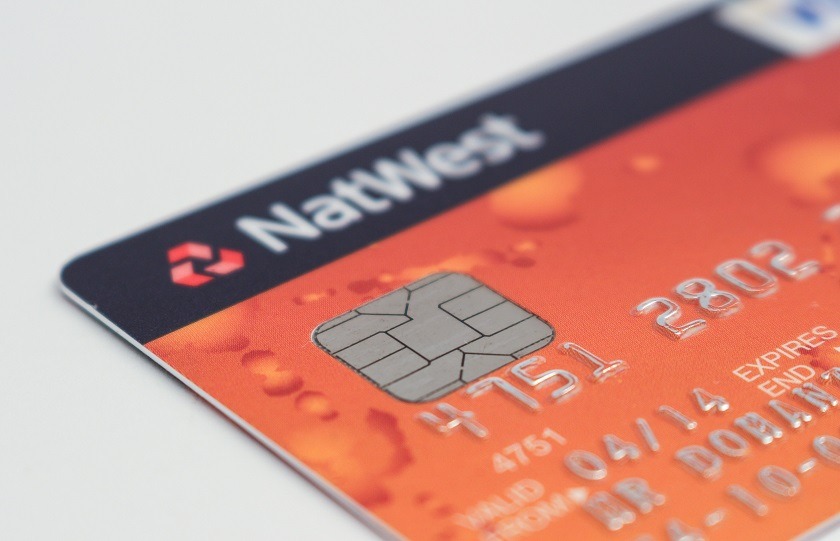
How to Prepare For PCI DSS 4.0
Most merchants are aware the Payment Card Industry Data Security Standards (PCI DSS) requirements are changing and go into effect at the end of 2020. The majority of organizations understand that advancing technology means the standards need to be updated. However, the lack of information is making it difficult for them to prepare for the upcoming annual audit.
-

What Is the Purpose of Common Point of Purchase?
Whether you run a small, medium, or large business, credit card transactions are a common instrument with which customers purchase your products and services. Unfortunately, most small businesses are susceptible to cybercrime because of the low quality of their cybersecurity defenses.
(more…) -

How to Prevent a Data Breach At a Cannabis Dispensary
Recent numbers indicate that the global legal marijuana market is expected to reach $146.4 billion by the end of 2025. A survey by Grand View Research further added that medical marijuana will likely dominate the market a few years from now with a projected value of $66.3 billion.
-

Does PCI Compliance Apply to Payment Facilitators?
The last thing anyone wants is to become a victim of fraud. Losing hard-earned money to a nefarious or ill-equipped website is still a fear for many Americans. In fact, in a survey on fraud in online shopping conducted by Paysafe, a leading global payments provider, researchers found that 59 percent of Americans believe fraud to be an inevitable part of online shopping.
Certainly then, ensuring customers feel secure when making any payments using credit cards is crucial to company success. Another survey on security measures conducted by Lost in Translation indicated that 71 percent of consumers are “open to the introduction of more secure payment processes such as two-factor authentication.”
-

How To Prepare For A PCI Audit
It’s all about the plastic.
Even though we have more alternative electronic payment options than ever before, Americans prefer the credit card over any other payment mechanism. This means it’s relatively simple for businesses to charge their customers online and get paid using one of a variety of payment gateways — all they have to do is move information from one place to another to collect their revenue, and the internet makes this a simple task.
But this convenience simultaneously presents an obstacle: that data needs to be moved and stored safely. It should only be accessible by authorized entities, and should be kept far out of reach from malicious third parties. For enabling an entirely new era of transacting, online card payments also come with their own set of liabilities that can leave customer financial data vulnerable and a business’s reputation on the line.
This means your company, whether large or small, needs to be on the forefront of PCI compliance. A PCI compliance audit is an essential tool for helping you get there.
-

Is Stripe PCI Compliant?
Is Stripe PCI Compliant? If you implement it properly, the answer is yes, Stripe is completely PCI compliant!
Stripe is a popular platform that makes it easy for businesses to accept credit and debit cards over the internet quickly and securely. Ridesharing company Lyft uses Stripe to power its payment solution for 700,000 drivers around the world, and that’s just one company. This payment service moves billions of dollars a year and is used by tens of thousands of companies around the world, from small scrappy startups to established Fortune 500s.
You don’t become a leading plug-and-play payment solution provider by accident. You do it by making it quick and painless for companies to accept credit card payments at scale. It’s not always easy for companies to meet the stringent security standards for processing online payments, let alone other personally identifiable information like birthdays and addresses. This requires a lot of technical expertise, expensive hardware, and active attention for companies to achieve that on their own.
-
How To Perform A PCI Vulnerability Scan
Wherever people are legally transacting money for goods, there are going to be bad guys in search of a score. It’s just the unfortunate reality of our world increasingly moving to the internet for its needs — wherever the good guys go to transact and do business, the bad guys will follow them in an effort to manipulate and rip off.
As the American e-commerce industry grew by 14.2% in 2018 to total more than $517 billion in transactions, you can be sure that cybercriminals are at work to con people out of their money and personally identifiable information. Consumers can take certain steps to establish their own security, but they must fundamentally share some of this information in order to complete transactions online. They can’t be responsible for protecting information that they necessarily part with.
The burden to protect this information — we’re talking about credit card numbers, security codes, and the like — lies with the businesses that process it. The best of these businesses pursue PCI compliance because they know that it’s an important feather in their cap for retaining consumer trust and pushing back against any would-be cybercriminals.
For those businesses that don’t know where they stand on the PCI compliance front, they only need to conduct a vulnerability scan.
-

PCI Expert Summit 2019: Event Recap
RSI Security’s first-ever PCI Expert Summit is in the books, and we couldn’t be happier about how things turned out!

Marina Village Conference Center – San Diego, California On October 2nd we were joined by four speakers, a number of sponsors, an expert panel, and over 70 attendees to begin the process of building a strong, vibrant PCI compliance community in the Southern California area. The event took place at the beautiful Marina Village Conference Center in San Diego.
“I found the event to be very informative. It was also nice to be around other folks I’ve worked with previously but haven’t actually met in person. It was definitely worth the time coming down for what I hope to be the first of many future RSI Summits,” said Gurpal Singh, head of compliance at Finix Payments.
-

How To Avoid PCI Noncompliance Fees
Just as professional athletes or motorists pay fines when they break certain rules, the same applies to companies doing business online. But the rules governing these companies’ behavior goes beyond “unsportsmanlike conduct” or “following the speed limit.” When they collect and process payment information for debit and credit cards, they must adhere to a number of rules in the process. If they break those rules, then they’re on the line to pay a penalty for it.
If it’s expensive to ignore the rules, why are an increased number of companies doing so? Verizon’s 2018 Payment Security Report reveals a drop in PCI compliance, which are the standards that companies have to stick to in order to process payment information online. Where 55.4 percent of companies were compliant in 2017, that number shrank to 52.5 percent in 2018. Chalk it up to lack of awareness or other shortcomings, but companies leave themselves and their customers exposed to bad actors when they shun this kind of compliance.
Beyond merely leaving themselves and their customers vulnerable to data breaches and cyberattacks, this decreased regard for the best practices pertaining to collecting payment card data and other personally identifiable information leaves these companies on the hook for noncompliance fees. It might not be as exciting or interesting as a professional athlete paying his or her commission for uttering an expletive during a game, but it can still be just as expensive.