
It’s no secret that global cyber threats are increasing both in volume and sophistication with each passing year. Some estimates even predict that the total cost of global cyber crime damage will hit $6 trillion annually by the year 2021. Which is why companies, brands, and organizations across the board are enlisting help from third party vendors and partners in their cybersecurity solutions efforts, leading to the the recent rise of the Managed Detection and Response (MDR) model.
Blog
-
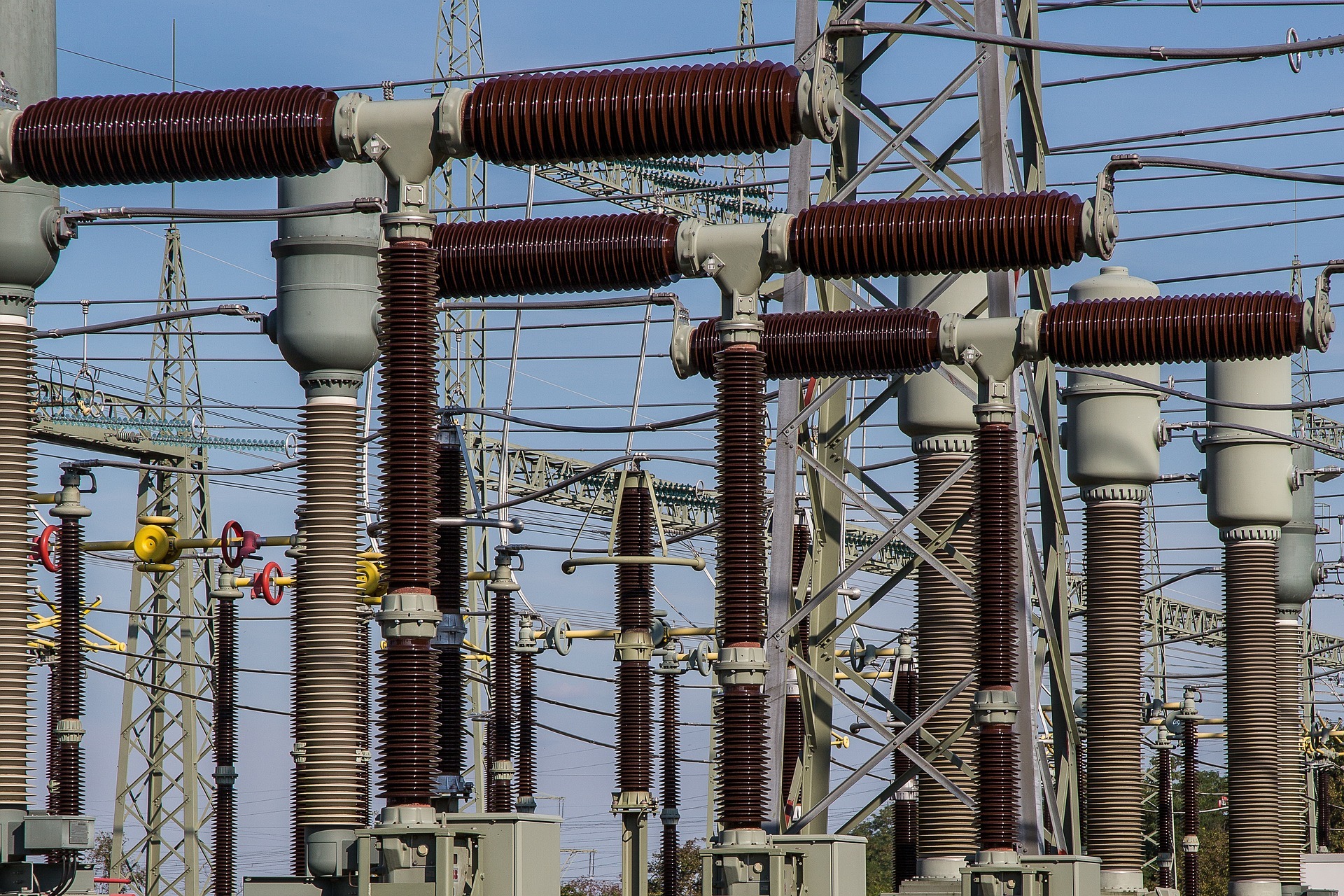
Benefits of Being NERC CIP Compliant
NERC is the North American Electric Reliability Corporation. Their job is to monitor and maintain the standards for the North American “Bulk power transmission.” Essentially, NERC watches over all large electrical power stations and the dispersion of large amounts of electrical power throughout the United States, Canada and Mexico.
-
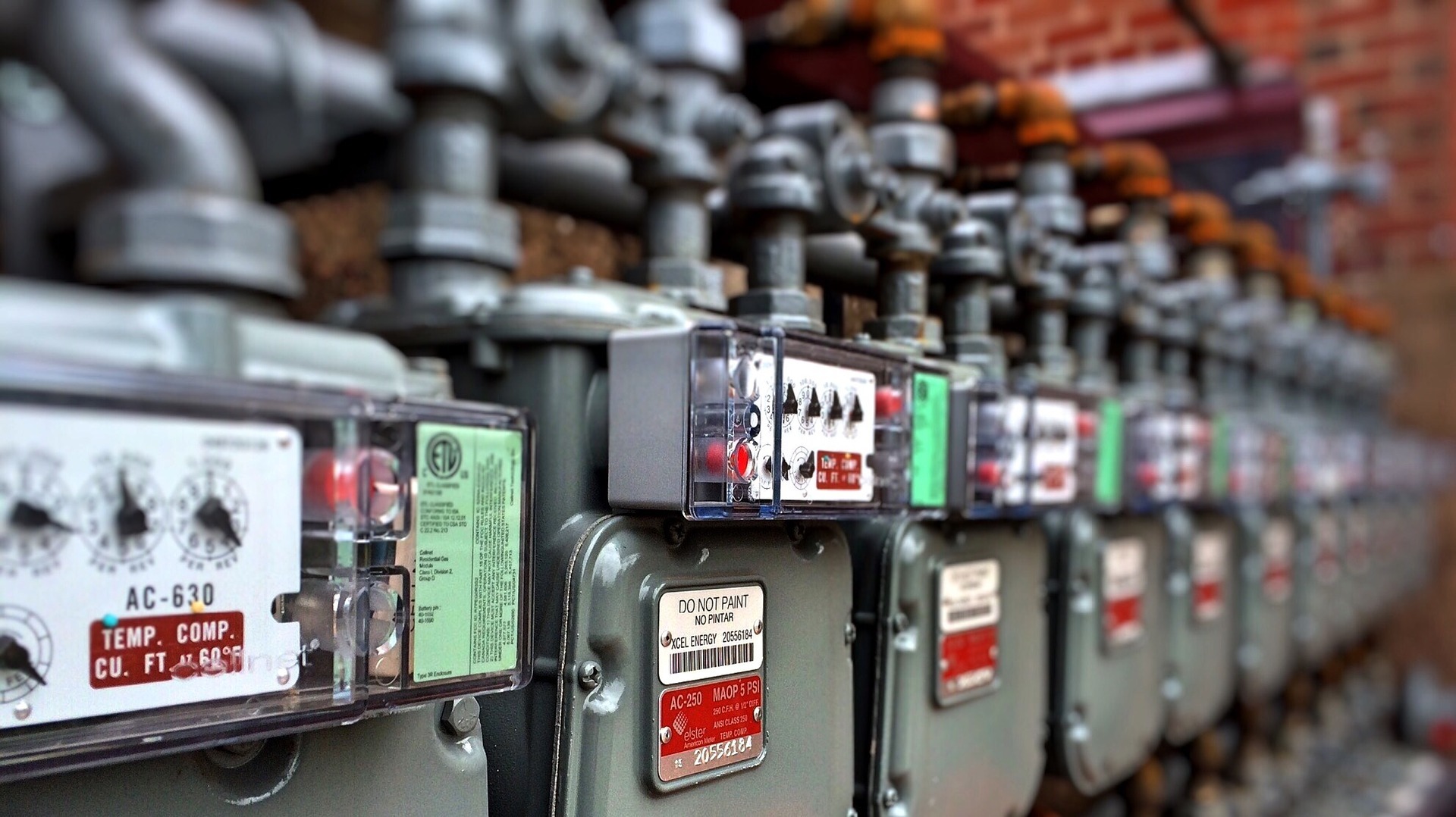
NERC CIP Standards: What You Need To Know
Although usually taken for granted, Critical Infrastructure connects east to west, north to south, and ensures businesses and homes can operate on a daily basis. With the news reports of hurricanes, mudslides, and fires, it’s easy to think that natural disasters are the main threat against such infrastructure. However, cyber attacks increasingly threaten the functionality of Critical Infrastructure. Even in the cybersecurity world, the top priority tends to lean toward information security. To draw more attention to the vulnerabilities of Critical Infrastructure and to improve industry cyber security standards, the North American Electric Reliability Corporation (NERC) formulated a Critical Infrastructure Protection (CIP) plan. The NERC-CIP standards work to improve the security and infrastructure protection of North America’s power bulk system by protecting physical and cyber assets.
-
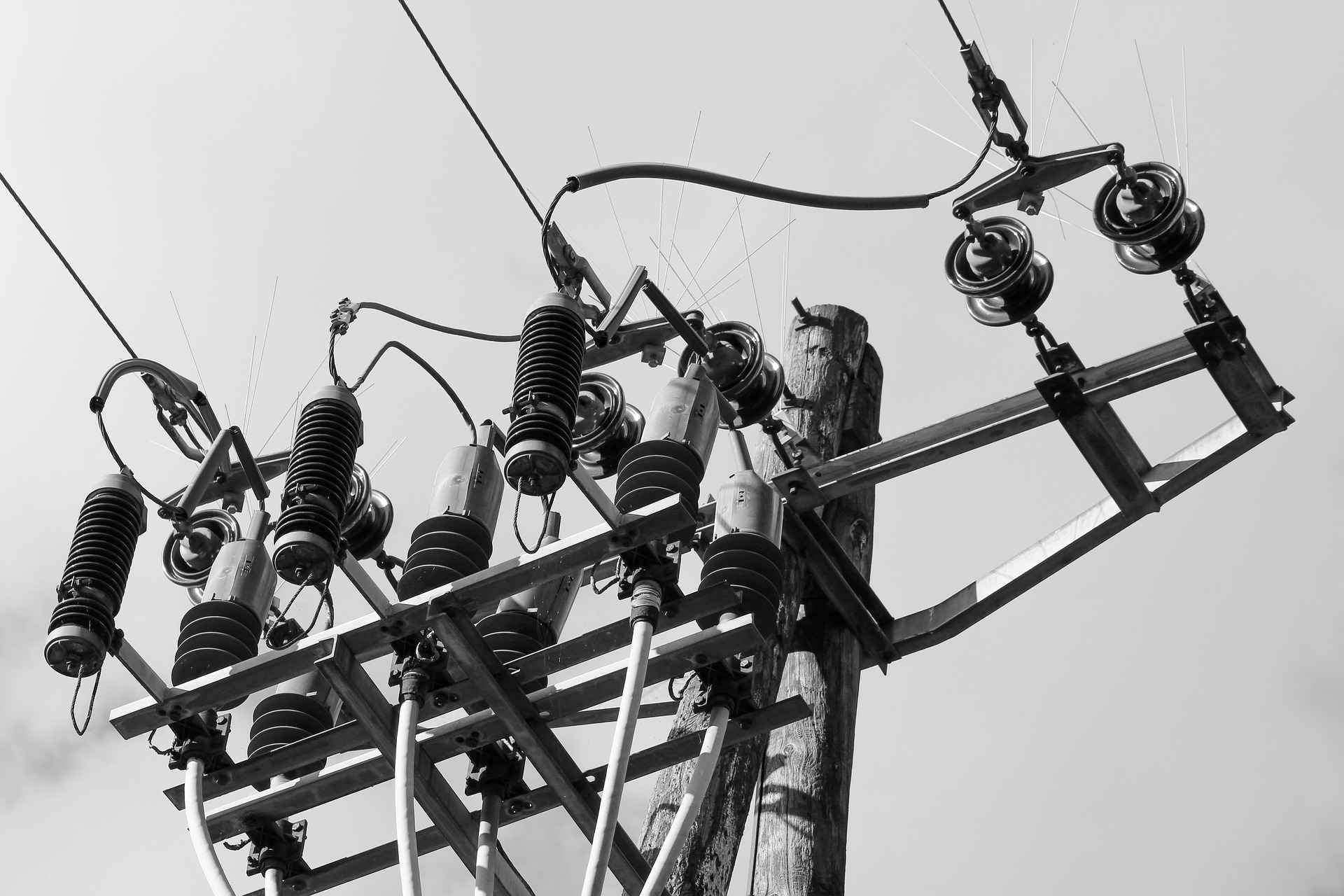
What Is Threat and Vulnerability Management For NERC CIP?
Security threats against utilities have been a constant focus for bulk power systems (BPS) for decades. After a massive outage in August 14, 2003, 50 million people in the Northeastern United States (U.S.) and parts of Canada were left without power for most of the evening. The problem that federal authorities dealt with in the aftermath of the blackout was how to handle those responsible for the blackout. Since there was an absence of federal regulations related to a blackout of this magnitude and no federally mandated processes that BPS operators needed to follow, it was impossible to fine those responsible.
-

What Is The Patch Management Process For NERC CIP?
The electric utility industry is built on a foundation that requires an ultimate level of security to operate effectively. As hackers multiply and their level of sophistication increases rapidly, the electric utility industry must also evolve its cybersecurity defense capabilities. A recent survey of 140 North American electric utilities found that 88% of respondents expect cyberattacks to increase within the next 2 to 3 years. That figure is meteoric and most likely slightly distressing for those bulk power system (BPS) operators that haven’t gotten up to speed on patching their software vulnerabilities quite yet.
-

How to Achieve NERC CIP Compliance
Access to a stable power source is a central component of our daily lives in the modern United States. Power generation, transmission, and delivery has been designated critical infrastructure in the United States, and as such is subject to heightened regulatory scrutiny and security requirements.
One of the most important regulatory bodies ensuring the security of our critical power infrastructure is the North American Electric Reliability Corporation (NERC). NERC is a not-for-profit corporation that has been granted regulatory authority over the bulk power delivery system in the United States. Maintaining compliance with NERC regulatory standards is an ongoing requirement for entities that fall within the scope of the bulk power system. In this article, we’ll break down what NERC is, what NERC does, and outline how entities within the bulk power system can achieve Nerc compliance through a Nerc compliance program.
-

Are CryptoCurrency Traders At a Greater Risk Of Being Hacked?
Cryptocurrency trading has taken off in recent years. Apps, wallets, and online platforms have made trading Bitcoin and other cryptocurrencies accessible. But hackers and cybercriminals and targeting cryptocurrency traders and exchanges more than ever.
-

How Do Cryptocurrency Exchange Providers Stay Protected Against Hackers?
Cryptocurrencies have been rocking the news headlines for the past few years due to their unprecedented rise in value that has seen people become millionaires from making small investments in them. Although there has been news of people making loads of money from these investments, there have also been a plethora of stories pertaining to cryptocurrency exchange providers being breached by hackers.
The anonymous nature of transactions that some exchanges and cryptocurrency use have led hackers to hone in on these websites and steal billions of dollars in cryptocurrencies from miners and customers alike over the years. Many of these hacks have led to the short and swift demise of these cryptocurrency exchange providers due to the sheer quantity of breached accounts and value of cryptocurrency that were been stolen.
-

Top 5 Security Breaches of Cryptocurrency Exchange Providers
Cryptocurrency is a constant source of media attention. It’s new-ish, digital, and an insanely lucrative endeavor to get into. This perfect storm of positives is the main reason why many people are making a ton of money from mining and selling off their cryptocurrencies. But even with all the positives that investors can receive from their cryptocurrency efforts, hackers still pose a considerable threat to their sizable profits.
-

Understanding the CryptoCurrency Security Standard (CCSS)
Cryptocurrency has become wildly popular in the past few years. Bitcoin was the predominant hot-button topic on every news channel and online publication in 2017 due to its meteoric climb to the point where a single Bitcoin fetched more than $10,000. Current market figures for Bitcoin have since fallen to around $6,000/Bitcoin due to global market volatility, but the increased industry competition means that cryptocurrency isn’t going away anytime soon. This means that companies such as Overstock, Expedia, Subway, PayPal, Shopify, and Microsoft that currently accept cryptocurrencies as a viable payment method must understand the cryptocurrency security standards (CCSS).
With over 1,800 cryptocurrency specifications currently in existence as of March 2018, it would be best if you were to understand the ins and outs of CCSS. Thankfully, we have compiled a complete overview of Cryptocurrencies, Blockchain, and CCSS that will keep your investment portfolio in the green for the foreseeable future.