Service organizations pursue SOC reports to demonstrate to clients that their data is handled securely. SOC 2 reports specifically assess a company’s adherence to the five Trust Services Criteria (TSC): security, availability, processing integrity, confidentiality, and privacy. These criteria, established by the American Institute of Certified Public Accountants (AICPA), form the foundation for SOC 2 controls that guide audit and reporting processes. Unlike a simple checklist, the TSC provides a framework that ensures organizations implement effective controls to protect client data.
(more…)
Blog
-

What are the SOC 2 Controls?
-

Patch Management Best Practices 2025
In 2025, Patch Management has become more critical than ever. As organizations rely on complex, cloud-native systems and AI-driven tools, new vulnerabilities are emerging faster than most teams can respond. A well-structured patch management program is essential to minimize cybersecurity risks, prevent costly downtime, and maintain compliance with frameworks such as NIST, HIPAA, and PCI DSS.
This guide explores the best practices for patch management that help organizations stay resilient, secure, and audit-ready in today’s rapidly evolving threat landscape.
-
Weekly Threat Report: AI Deepfakes, Exchange Flaws, and Ransomware in Education
AI-driven deception, hybrid-cloud identity compromise, and ransomware attacks on under-resourced institutions are redefining today’s cyber threat landscape. These evolving threats challenge even the most mature security programs, exposing new gaps in defense and detection. This week’s top incidents highlight how adversaries are leveraging AI-driven tactics, exploiting hybrid infrastructures, and targeting sectors least equipped to respond (more…)
-

AI Attack Vectors: How Intelligent Threats Are Redefining Cybersecurity Defense
The digital arms race is accelerating, and artificial intelligence (AI) is becoming both a weapon and a target. As AI systems increasingly interact, a new generation of attack vectors is emerging, where one intelligent system exploits another’s weaknesses at machine speed.
These aren’t theoretical threats. From prompt injection to feedback loop manipulation, malicious AI systems are already probing and exploiting vulnerabilities in other AIs. Understanding these attack vectors is critical to defending the next wave of intelligent infrastructure and maintaining trust in automated decision-making.
-
Identity-Based Attacks Are Redefining Cybersecurity: Trust Is the New Target
From deepfake voice scams to cyber attacks on critical infrastructure, the global threat landscape is evolving fast, and CISOs are under growing pressure to adapt. This week’s leading cybersecurity threats reveal a critical shift: attackers are moving away from brute-force tactics toward identity-based attacks that exploit human behavior and trust.
Whether it’s generative AI used to impersonate executives, coordinated intrusions targeting operational technology systems, or the credential abuse spreading across mobile devices, these modern identity-based attacks share one common weakness, trust. And without the right verification controls in place, that trust can quickly become an open door.
Below are three emerging cyber threat vectors every CISO should be tracking right now, along with key insights and actionable strategies to strengthen your organization’s cybersecurity posture.
-
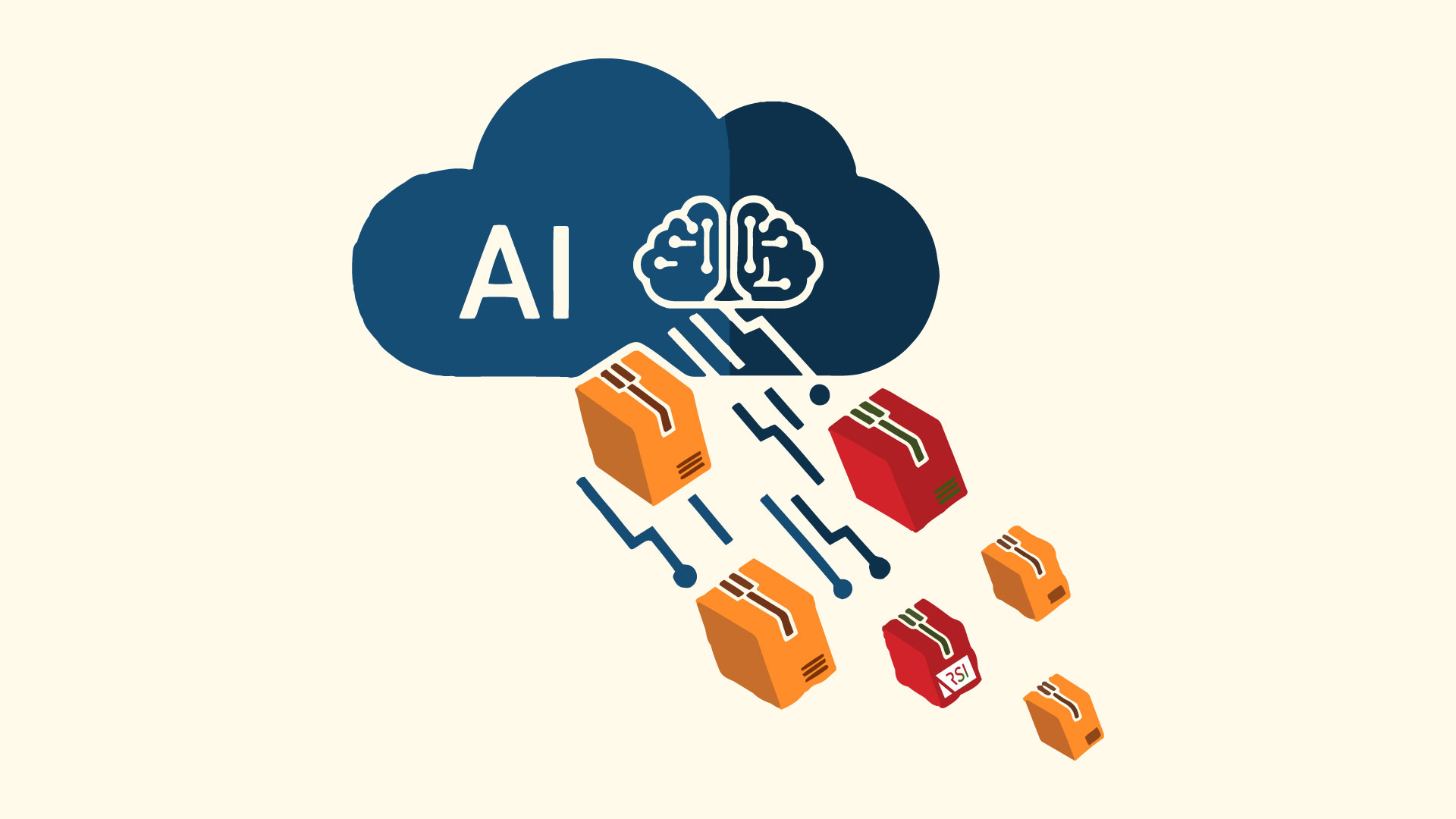
A Strategic playbook Guide to Responsible AI Risk Management
Artificial Intelligence (AI) is transforming industries worldwide, from healthcare and finance to manufacturing and national security. However, with these opportunities come significant challenges such as bias, data privacy concerns, regulatory noncompliance, and potential system failures. The NIST AI RMF Playbook provides organizations with a structured approach to managing these AI risks responsibly and promoting trustworthy innovation.
To address these risks, the National Institute of Standards and Technology (NIST) introduced the NIST AI RMF Playbook, a strategic framework that helps organizations identify, assess, and manage AI-related risks responsibly. This guide promotes ethical, transparent, and secure AI adoption across sectors.
In this blog, we’ll explore what the NIST AI RMF Playbook is, how it’s structured, and why it’s becoming the go-to resource for building trustworthy and compliant AI systems.
-
Zero-Day Vulnerabilities and the Modern Attack Surface: This Week’s Top Cyber Threats
From infrastructure vendors to online gaming and airline systems, cybercriminals are exploiting every layer of the digital supply chain. This week’s biggest incidents highlight how fast these attacks are evolving, leveraging zero-day vulnerabilities, source code theft, and IoT botnets to compromise enterprise software.
Below are the top zero-day vulnerabilities and related cyber threats to track this week, plus key steps to help your organization mitigate them. -

How to Overcome Common Challenges of the SOC 2 Framework
Organizations aiming to achieve SOC 2 Framework compliance often face challenges, such as scoping their SOC 2 reports, addressing gaps in control implementation, and allocating resources for audits.
Partnering with an experienced compliance advisor can help your organization navigate these hurdles efficiently.
Facing obstacles with your SOC 2 Framework implementation? Schedule a consultation today to get expert guidance. (more…)
-
Cyber Hygiene Checklist: Back to the Basics
In today’s hyperconnected world, cybersecurity threats are more widespread and sophisticated than ever. Both organizations and individuals face growing risks from cyberattacks that often exploit simple human errors and overlooked system vulnerabilities. IT teams are under constant pressure to maintain performance while adapting to new technologies and evolving threats. Yet, with limited resources and a global shortage of skilled professionals, maintaining strong cyber hygiene is one of the most effective ways to close security gaps and build long-term resilience.
-
Weekly Threat Report: Critical Vulnerabilities in Oracle, Redis, and Ransomware Attacks on Asahi Group
Cyber attackers are rapidly exploiting newly disclosed and zero day vulnerabilities across enterprise systems, from business-critical ERP platforms to open-source infrastructure and global supply chains. This week’s top threats show how quickly exploitation can begin once details become public, impacting Oracle E-Business Suite, Redis servers, and corporate networks worldwide.