
The EU-US Privacy Shield program was launched in early 2019 primarily as a response to two external causes; the ruling by the Court of Justice of the European Union (CJEU) which invalidated the Safe Harbour program in 2015, and the enactment of the General Data Protection Regulation (GDPR) introduced by the European Union in 2018.
Category: Compliance Standards
Staying informed about all of the cyber security compliance standards is essential to keeping your company safe from hackers. Read on to learn about the various steps you can take to stay up to date with your industry’s compliance standards.
-
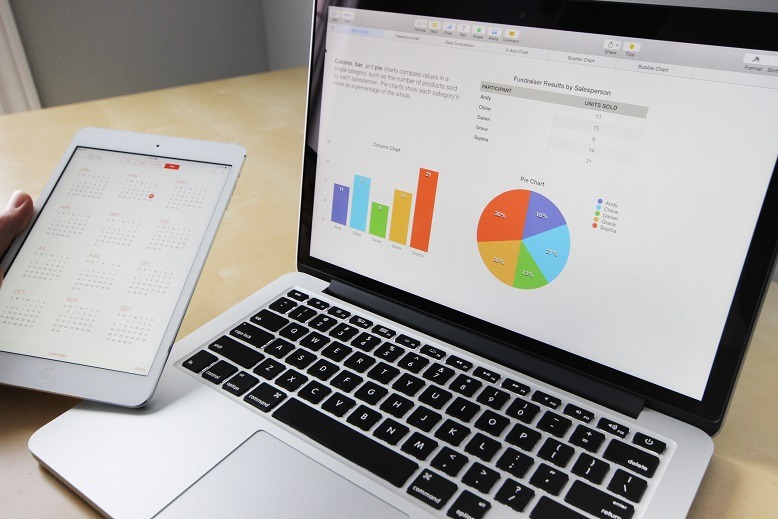
What is EU-US Privacy Shield and Why Does it Exist?
More customers are becoming aware of data privacy when engaging with businesses online. With data breaches on the increase, many customers face issues regarding the adequate protection of personal data, especially following the event of a data breach or cyberattack. In a report given by RAND corporation, it was found that 11 percent of customers would change organization, and 23 percent would give the existing organization less business. These realities have spawned an ecosystem of regulation and data privacy awareness.
-

What Does it Mean to Be PCI DSS 4.0 Compliant?
Any company that uses and handles credit or debit payment information from consumers needs to comply with PCI DSS, short for Payment Card Industry Data Security Standard. These standards cover technical and operational practices for handling cardholder data. Maintaining payment security is becoming more and more crucial as cybercrime becomes increasingly prevalent in our world.
-
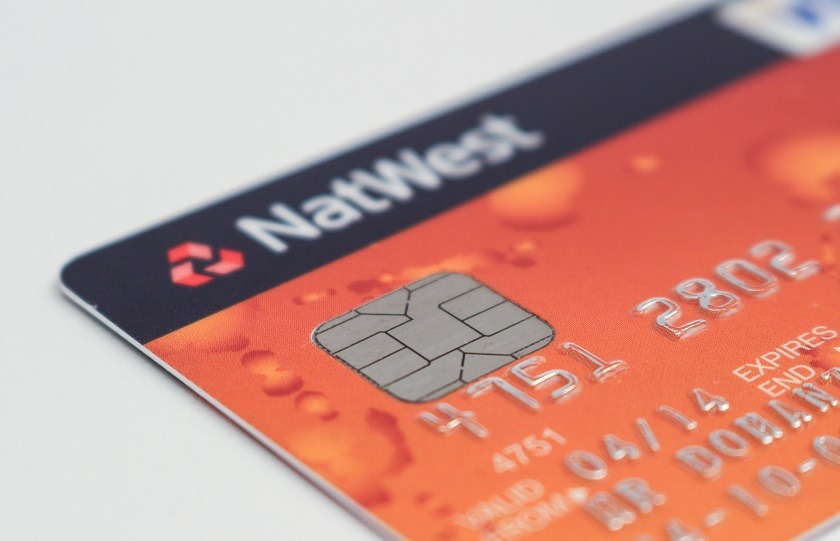
What to Expect With PCI DSS 4.0: A Complete Guide
Any business or organization that accepts and/or processes credit and debit cardholder information should already be familiar with PCI DSS v. 3.2.1. Merchants are expected – and required – to meet this standard. This has been the case since 2018.
-

What Does Common Point of Purchase Mean For Your Business?
Criminals prey on ATMs, gas station pumps, merchant Point-of-Sale (POS) terminals and any other device that will provide them with the debit card information. Once they have the right information, they duplicate the cards and use them multiple times at the common point of purchase (CPP) to drain customers’ accounts.
-

What GDPR Means for These Five Industries
The General Data Protection Regulation (GDPR) came into effect last year giving pressure to data brokers and tech firms to adequately protect, process and store customer information. Developed by the European Parliament and the Council of the European Union, the new EU data regulation laws threaten businesses with hefty fines of roughly 20 million euros or four percent of their turnover should they fail to adhere to the new legislation geared towards giving people more control over their personal information.
-

How to Have Early Detection of a Common Point of Purchase
Do you own a business? If you do, it is probably associated with a CPP (Common Point of Purchase). This doesn’t mean that fraudulent purchases were made at your business, only that it was the target of a security breach. This could mean that your customers’ credit card information was compromised.
-
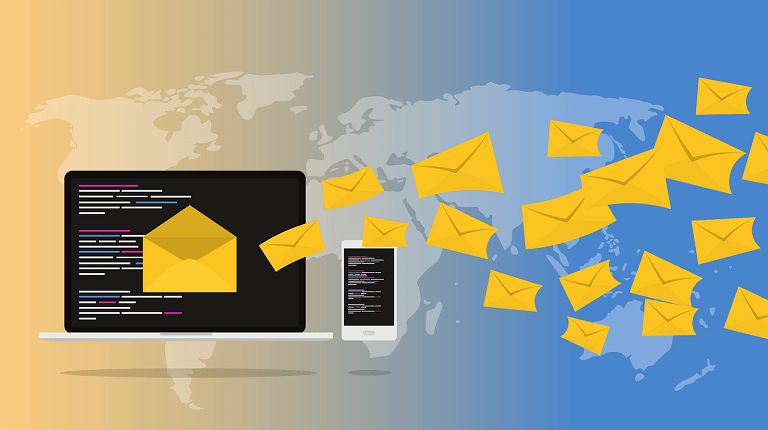
How Does CCPA Affect Email?
The California Consumer Privacy Act (CCPA) was passed in 2018, and it affects companies that handle private data. The act, also referred to as AB 375 follows the guidelines of the EU’s (European Union) General Data Protection Regulation (GDPR) while broadening the definition of what constitutes private data.
-

HITRUST Enforcement & Penalties: What You Need to Know
The HITRUST Act (Health Information Trust Alliance) establishes the framework for online healthcare information security, while also encouraging healthcare organizations to adopt digital patient files. Digitizing healthcare information makes it easier to share between approved organizations or personnel. Patients can also access their records online, eliminating the need for them to request paper copies. (more…)
-

What Is Considered PII Under GDPR?
There has often been confusion around what is Personally Identifiable Information under GDPR and how businesses can protect themselves against getting hit with a fine for lack of compliance. At times though it is difficult to distinguish what personally identifiable information (PII) is in general and what your business needs to do to remain compliant. Thankfully, we’ve created this comprehensive guide that can help you understand what PII is and how you can maintain compliance with GDPR’s rules that pertain to PII.
(more…)