
Factor Analysis of Information Risk (FAIR) is designed to manage vulnerabilities and incidents within an organization, network, or system using a risk-based approach. The main strength of the FAIR risk framework is the use of numerical values, mathematics and quantification to get precise and accurate results and responses.
Category: Compliance Standards
Staying informed about all of the cyber security compliance standards is essential to keeping your company safe from hackers. Read on to learn about the various steps you can take to stay up to date with your industry’s compliance standards.
-

What Is The NIST Small Business Cybersecurity Act?
Responding to new cybersecurity attacks and breaches The National Institute of Standards and Technology (NIST) passed the NIST small business cybersecurity act in 2018. What the act means for small businesses, is that NIST is required to provide support to small and medium-sized companies in their efforts to prevent cybersecurity breaches and attacks.
-

Your HITRUST Self-Assessment Checklist
What with the constant and evolving threat of cybercrime, it’s become more crucial than ever for organizations to protect their proprietary and customer data. Over the past year, the average cost of cybercrime for an organization has increased from $1.4 million to $13.0 million, and the average number of security breaches rose by 11 percent, from 130 to 145. Knowing this threat, HITRUST self-assessments are one of the most important ways you can prevent security breaches and maintain HIPAA compliance.
-

Top Five Benefits of HITRUST Certification
Businesses in the healthcare sector are attractive targets for cybercrime. Storing millions of clients’ sensitive medical and financial records makes an accidental or targeted data breach extremely harmful for consumers. Plus, attackers can also target companies’ own abundant assets via direct theft, fraud, and ransom scams, causing short- and long-term damage. Given all this risk, the benefits of HITRUST certification are undeniable for all healthcare and adjacent businesses.
-

What’s the Difference Between HITRUST and NIST?
Are you looking for a way to ensure that your organization is maintaining HIPAA compliance? If so, NIST and HITRUST are security frameworks that can help you uphold compliance, prevent breaches, and avoid non compliance penalties. But many companies get caught up in the debate of HITRUST vs NIST.
Do you have to stick to one or the other? Are they compatible together?
-
How InfoSec Executives Should Prepare for PCI 4.0
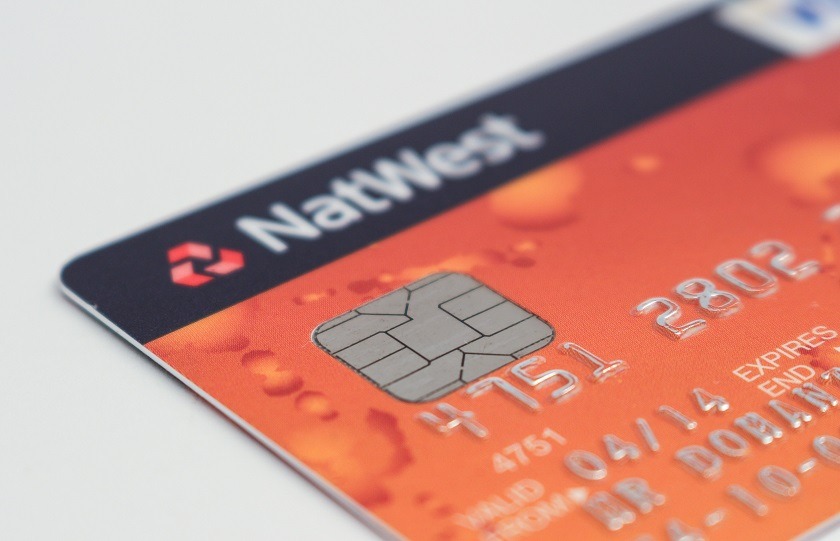
Credit cards make the digital world go round. These days, businesses need to process credit card payments to maximize their consumer base and make purchasing as easy as possible for clients. But credit cards and related records are incredibly vulnerable to cybersecurity attacks. So, it’s important for all C-level executives in the information suite of your company to know what the new PCI Requirement 4.0 will entail.
-

Why Every Business Should Care About California’s Privacy Act
In 2018, the Facebook-Cambridge Analytica scandal came to light, raising serious questions about how consumer data was being used. Later that year, California enacted the Care About California’s Privacy Act (CCPA) requiring more data transparency and giving consumers more privacy rights. The Act grants California residents greater control over how their data is collected, stored, shared, or sold. Is your business complying with the new CCPA regulations?
-

Factor Analysis of Information Risk (FAIR) Training Best Practices
In FAIR risk management, numbers don’t lie. A quantitative approach in solving potential problems uses precision and structure to its advantages. Information risk may be a complicated subject to tackle, but with the help of FAIR, this can be understood in business or financial terms.
-

HOW TO OBTAIN A PIPEDA COMPLIANCE CERTIFICATE
Undoubtedly, technology has connected the world beyond barriers of geography and location. Personal information can now be collected for every action taken on the internet and it seems like one can’t fully maximize the potentials of the internet if their information is not taken. A PIPEDA compliance certificate tells your clients that your business is able to keep their personal information secure.
-

Top PIPEDA Rules That Apply to U.S. Companies
In 2000, Canada enacted its data protection act designed to protect consumers’ identifiable information. Since it was passed into law, the Personal Information Protection and Electronic Documents Act (PIPEDA) has expanded to cover most private-sector industries. This means if you want to continue doing business in Canada you need to know the top PIPEDA rules that apply to U.S. companies.