
If you accept credit or debit cards at your business you are required to follow specific regulations. Known as the Payment Card Industry Data Security Standard (PCI DSS ) these regulations were created by Mastercard, Visa, American Express, Discover, and JCB International. The goal of being in compliance with the regulations is to protect credit and debit card information from fraud and data breaches.
Category: Compliance Standards
Staying informed about all of the cyber security compliance standards is essential to keeping your company safe from hackers. Read on to learn about the various steps you can take to stay up to date with your industry’s compliance standards.
-

ADA Website Compliant Checklist
In recent years, lawmakers and regulators have been enacting an increasing number of local and global regulations that organizations need to adhere to in the wake of massive corporate scandals. At present, there are roughly 250 unique security frameworks used worldwide, which is suited to fit a wide variety of sectors and businesses.
-

What Does Common Point of Purchase Mean For Your Business?
Criminals prey on ATMs, gas station pumps, merchant Point-of-Sale (POS) terminals and any other device that will provide them with the debit card information. Once they have the right information, they duplicate the cards and use them multiple times at the common point of purchase (CPP) to drain customers’ accounts.
-

Do Other States Need to Worry About CCPA?
What’s happening in California affects everyone. The fight for a person’s right to privacy affects everyone. Because some people in power will pursue their self-interests to the exclusion of everyone else as far as the law will let them, it is necessary to legislate what can be done with personal information. It used to be that most consumers thought the harmless reason for the collection of their information was to serve up more relevant advertising, which was a win-win situation.
-

What GDPR Means for These Five Industries
The General Data Protection Regulation (GDPR) came into effect last year giving pressure to data brokers and tech firms to adequately protect, process and store customer information. Developed by the European Parliament and the Council of the European Union, the new EU data regulation laws threaten businesses with hefty fines of roughly 20 million euros or four percent of their turnover should they fail to adhere to the new legislation geared towards giving people more control over their personal information.
-

How to Have Early Detection of a Common Point of Purchase
Do you own a business? If you do, it is probably associated with a CPP (Common Point of Purchase). This doesn’t mean that fraudulent purchases were made at your business, only that it was the target of a security breach. This could mean that your customers’ credit card information was compromised.
-
How to Prepare For PCI DSS 4.0
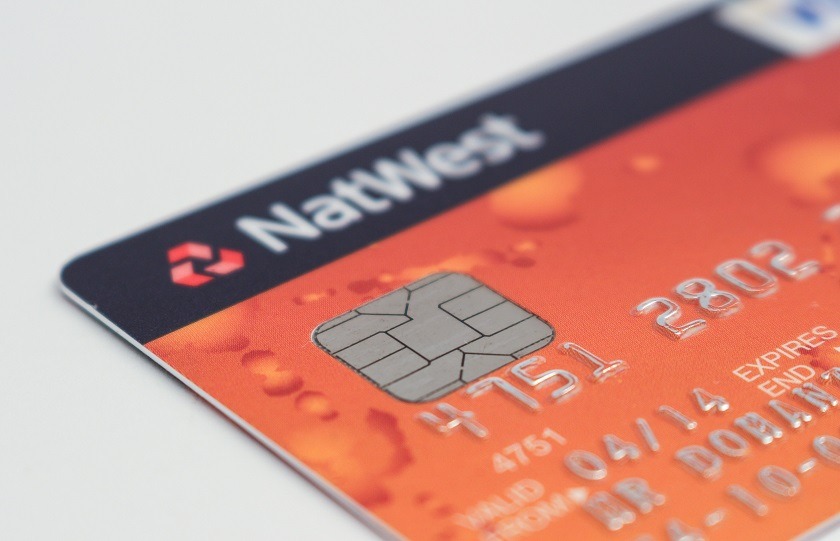
Most merchants are aware the Payment Card Industry Data Security Standards (PCI DSS) requirements are changing and go into effect at the end of 2020. The majority of organizations understand that advancing technology means the standards need to be updated. However, the lack of information is making it difficult for them to prepare for the upcoming annual audit.
-

How Does CCPA Affect Email?
The California Consumer Privacy Act (CCPA) was passed in 2018, and it affects companies that handle private data. The act, also referred to as AB 375 follows the guidelines of the EU’s (European Union) General Data Protection Regulation (GDPR) while broadening the definition of what constitutes private data.
-

Who Has to Comply With CCPA?
CCPA is the acronym for the California Consumer Privacy Act. It is the first act of its kind in the U.S. and only covers residents in California. CCPA mirrors the standards set down in 2018 by the European GDPR (General Data Protection Regulation) which protects consumers’ private information, including names and email addresses.
-

ADA Website Compliance: A Beginner’s Guide
Developing and maintaining a positive user experience plays a critical role in customer retention for small business websites. Today’s consumers expect every business website to be easy to navigate, user-friendly and meet their needs effectively.