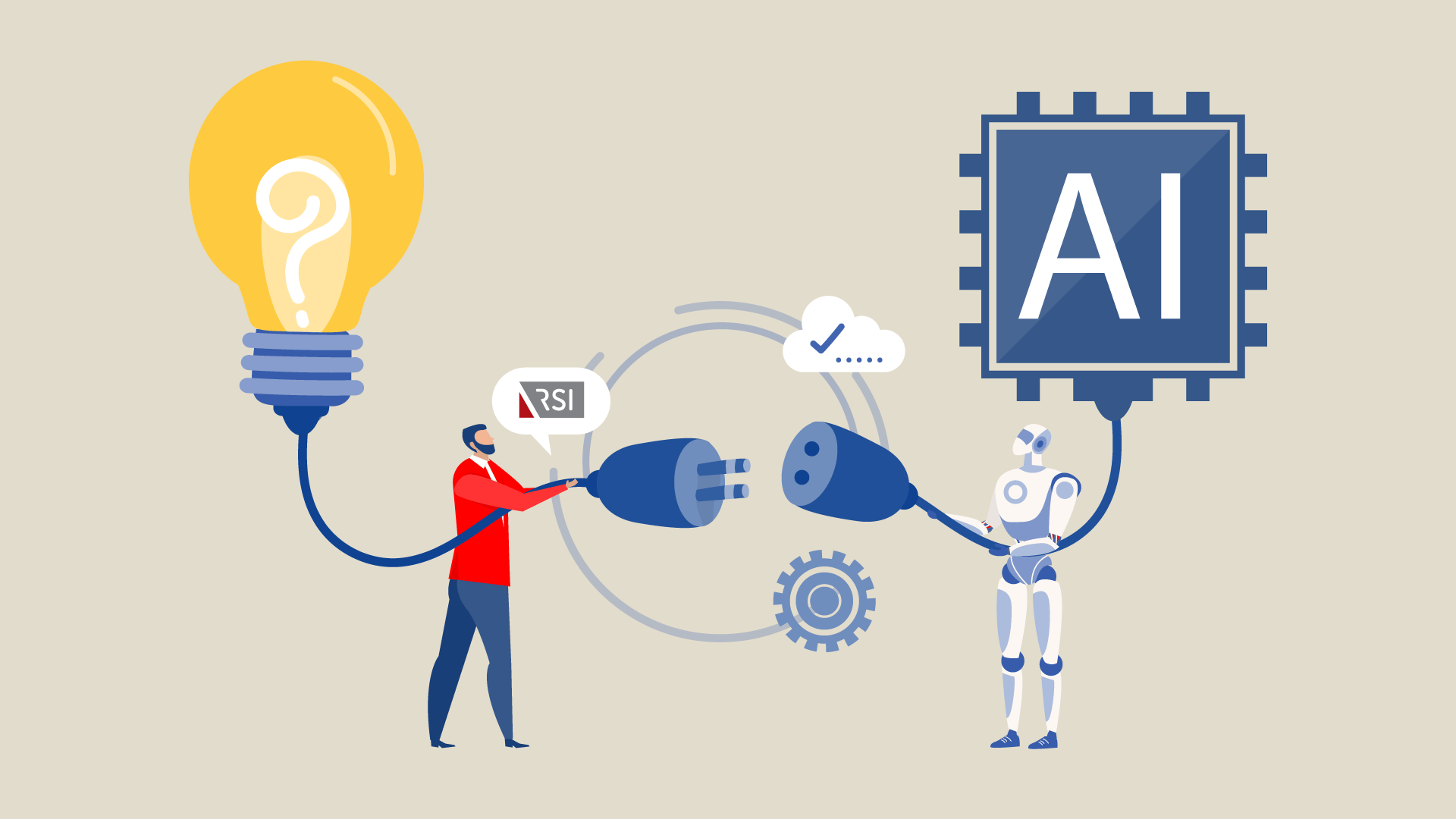
Artificial Intelligence (AI) is transforming how businesses operate—but with innovation comes risk. From biased decision-making to security vulnerabilities, AI systems introduce a new frontier of ethical, operational, and regulatory challenges. That’s where the NIST AI Risk Management Framework (AI RMF) comes in.
Blog
-
Threat Report: Post-Exploitation Techniques in Allianz Breach, Ghost Calls, and Exchange Hybrid
This week’s threat intelligence roundup showcases the growing sophistication of post-exploitation techniques, with three notable cases revealing how attackers maintain persistence and escalate access after breaching initial defenses.
A high-impact supply-chain breach at Allianz Life was enabled by compromised access to a third-party CRM provider, revealing the growing vulnerability of vendor ecosystems.
Meanwhile, Ghost Calls emerged as a stealthy new method for abusing conferencing platforms to conduct command-and-control activity undetected. Finally, Microsoft issued urgent guidance for a privilege escalation flaw in hybrid Exchange environments, underscoring risks tied to identity federation.
Here’s what security teams need to know.
-

The State of AI in 2024: McKinsey’s Global Survey Recap
In 2024, artificial intelligence (AI) is no longer experimental—it’s essential. McKinsey’s latest Global Survey on AI reveals a dramatic surge in adoption, with organizations embedding AI deeper into their operations to gain competitive advantages.
-

Weekly Cybersecurity Insights: AI Security Threats, LegalPwn Exploit, and Plague PAM Backdoor
This week’s cybersecurity threat landscape highlights major AI security threats that organizations must understand and address. From the growing challenge of bypassed AI safety guardrails to a sophisticated Microsoft Outlook exploit and a stealthy Linux backdoor targeting authentication modules, attackers are exploiting weaknesses across platforms. This comprehensive analysis details each threat, explores its impact, and provides actionable steps for organizations to bolster their defenses.
-

How to Meet the SOC 2 Trust Services Criteria Efficiently
Meeting the SOC 2 Trust Services Criteria ensures your organization aligns with client expectations for data security and risk management. Efficient implementation requires scoping your audit correctly and prioritizing the controls that matter most for your specific SOC 2 report.
Are you confident your SOC 2 assessment process is fully optimized? Request a consultation to ensure your controls meet the SOC 2 Trust Services Criteria effectively. (more…)
-

Weekly Threat Report: Exploited SharePoint, Fortinet, and Dell Risk Enterprise Cybersecurity
As enterprise environments grow more complex and decentralized, threat actors are evolving faster than ever. This week, three critical incidents reveal the scope and speed of today’s threat landscape: an actively exploited Microsoft SharePoint zero-day, real-world attacks on Fortinet WAFs just days after public disclosure, and widespread phishing leveraging leaked Dell customer data.
-

AI-Powered Insider Threat Detection
In cyberdefense, preventing attacks is only half the battle. Teams also need to be ready to detect and respond to incidents that surface. Since cybercriminals are making use of the most advanced technologies, like AI, all forward-thinking organizations need to be doing the same.
-

Weekly Threat Report: Cloud Security Risks in 2025 with AWS Policy Escalation, AI Privacy Breaches, and more
As organizations deepen their reliance on cloud platforms and AI-driven workflows, cybersecurity threats are growing more sophisticated—and more severe. The first half of 2025 has already seen an alarming trio of risks: a misconfigured AWS policy that could compromise entire cloud environments, exposed sensitive applicant data through an AI chatbot, and the largest DDoS attacks ever recorded.
-

Neurosymbolic AI & Advanced Cyber Reasoning: The Future of Smarter Cybersecurity
Cybercriminals are getting smarter—and faster. Traditional defenses are no longer enough. As cyberattacks become more sophisticated, so too must the strategies to prevent and mitigate them. That’s where neurosymbolic AI comes in—an emerging paradigm that fuses the pattern recognition capabilities of neural networks with the structured logic of symbolic reasoning. This hybrid model empowers cyber defense systems to not only detect threats, but also to understand their context and intent, enabling timely, intelligent, and explainable responses.
-

Is Your Business Ready for CPPA? California’s New Privacy Audit Rules Explained
The California Privacy Protection Agency (CPPA) has finalized regulations that represent the most significant shift in California’s privacy landscape since the introduction of the CCPA. Under the amended California Consumer Privacy Act (CCPA), now bolstered by the California Privacy Rights Act (CPRA), businesses are facing new, enforceable mandates for cybersecurity audits, risk assessments, and executive-level accountability.