Category: HIPAA / Healthcare Industry

Explore HIPAA compliance resources for the healthcare industry. Learn requirements, privacy rules, and best practices to safeguard patient data and avoid violations.

  • How to Optimize Data Encryption in Healthcare

    How to Optimize Data Encryption in Healthcare

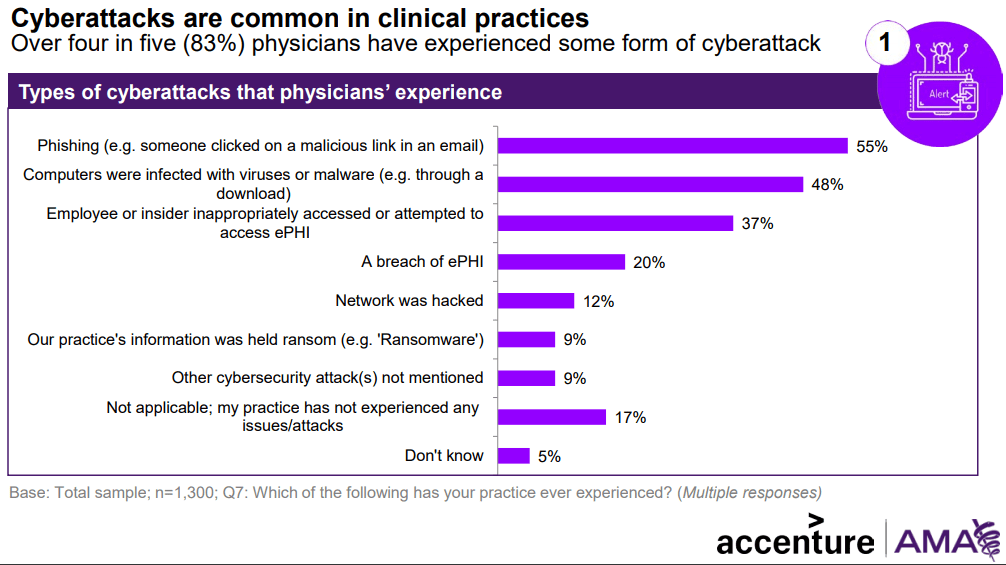
    Cyberattacks on healthcare organizations are growing, putting personal and identifiable information (PII) at constant risk. That’s why encryption is more important than ever.

    Encryption helps protect sensitive data and is a key requirement under HIPAA and HITRUST CSF. With major updates to both frameworks coming in 2025, now is the time to strengthen your encryption strategy.

    This blog explores what the new standards mean and how your organization can stay secure and compliant.

    (more…)

  • Summary of the HIPAA Privacy Rule

    Summary of the HIPAA Privacy Rule

    If your organization handles medical records or patient data in any capacity, the HIPAA Privacy Rule likely applies to you.

    This rule is one of the key pillars of the Health Insurance Portability and Accountability Act (HIPAA), and it outlines exactly how protected health information (PHI) should be handled to safeguard patient privacy.

    That includes not just hospitals and doctors’ offices, but also billing companies, IT vendors, health plans, and any other third-party partners who work with PHI.

    These groups are called covered entities and business associates, and they’re all responsible for following the HIPAA Privacy Rule to remain compliant.

    In this guide, we’ll break down what the HIPAA Privacy Rule is, who it covers, what it protects, and how your organization can stay compliant.

    Whether you’re a healthcare provider or a vendor supporting the industry, understanding this rule is essential to avoiding fines and building patient trust.

    Beginner’s Guide to the HIPAA Privacy Rule

    Before diving into HIPAA compliance, it’s important to start with the foundation: the HIPAA Privacy Rule. Officially titled the Standards for Privacy of Individually Identifiable Health Information, this rule is at the core of how patient data must be handled in the U.S. healthcare system.

    The Privacy Rule sets the baseline for how protected health information (PHI) can be used and disclosed, who it applies to, and what rights patients have over their own health data.

    If you’re new to HIPAA or just need a refresher, this guide will walk you through a simple, plain-language summary of the HIPAA Privacy Rule, plus a quick breakdown of the other key HIPAA rules you should know.

    By the end, you’ll understand what HIPAA requires, who must comply, and how to build stronger privacy protections into your organization’s day-to-day operations.

    What is HIPAA and Why It Matters

    The Health Insurance Portability and Accountability Act (HIPAA) was passed in 1996 to protect both patients and healthcare organizations.

    • For patients, HIPAA ensures the privacy and security of personal health information.

    • For healthcare providers, it promotes efficiency and accountability across the system.

    Without proper safeguards, a data breach could harm both patients and providers—resulting in privacy violations, financial losses, and legal consequences.

    On top of this, failure to comply can result in huge potential costs. The US Department of Health and Human Services administers HIPAA. Its internal Office of Civil Rights (OCR) enforces civil fines for noncompliance. Serious or chronic violations of HIPAA can result in criminal penalties, enforced by the Department of Justice (DOJ).

    So, even if you’re only acting out of self preservation, you need to understand and abide by the privacy rule—and all of HIPAA.

    [su_button url=”https://www.rsisecurity.com/compliance-advisory-services/hipaa/” target=”blank” style=”flat” size=”11″]Assess your HIPAA / HITECH compliance[/su_button]

    HIPAA Privacy Rule Summary

    The HIPAA privacy rule was the first of what would eventually become four HIPAA rules. It sets the stage for the whole Act by defining key terminology, such as:

    • The HIPAA Privacy Rule applies to which of the following
      • Which entities are covered
    • What HIPAA helps protect
      • Which information is protected

    Importantly, these definitions guide all other HIPAA rules. But the privacy rule also includes specific regulations, namely:

    • How exactly the privacy rule regulates safety
      • Which safeguards it required

    data

    A Brief History of the HIPAA Privacy Rule

    Although HIPAA was originally passed in 1996, the HIPAA Privacy Rule didn’t take shape until a few years later. Because Congress didn’t issue its own privacy legislation within the first three years, the Department of Health and Human Services (HHS) took the lead. In 1999, HHS released a draft proposal of the Privacy Rule and opened it up for public comment.

    That comment period brought in more than 50,000 responses from healthcare professionals, advocacy groups, insurers, and other stakeholders. Their input helped shape the first official version of the HIPAA Privacy Rule, which was finalized in December 2000.

    Key updates followed:

    • 2002: The Privacy Rule was revised and finalized with clarifications on permissible disclosures and patient rights.
    • 2013: The Omnibus Final Rule consolidated and strengthened all HIPAA rules, expanding the responsibilities of business associates and updating requirements to fit the digital era.

    These changes have helped evolve the Privacy Rule from a paper-based standard into a modern, flexible framework that applies to electronic health records, cloud storage, and other modern technologies. Today, the HIPAA Privacy Rule continues to guide how healthcare organizations protect protected health information (PHI) in an increasingly connected world.

    Who is Covered by the Privacy Rule

    The Centers for Medicaid and Medicare Services (CMS) has prepared a covered entity guidance toolkit to determine whether or not the regulations apply to your business.

    Here’s a breakdown of who is directly covered:

    • Health Plans


      This includes health insurance companies, HMOs, employer-sponsored group health plans, and government programs like Medicare and Medicaid. These organizations manage or pay for healthcare services and are required to follow HIPAA regulations.

    • Healthcare Providers


      Any provider who transmits health information electronically is covered, including doctors, surgeons, dentists, psychologists, hospitals, clinics, pharmacies, and more.


    • Healthcare Clearinghouses

      These are organizations that process non-standard health data into standardized formats (and vice versa), such as billing companies or medical data processors.

    In addition to these, business associates, organizations that provide services to covered entities and require access to PHI, must also comply.

    This includes IT vendors, legal firms, billing services, cloud storage providers, and others. HIPAA requires business associates to have formal contracts in place (called Business Associate Agreements) that define how PHI will be protected.

    If you’re unsure where your organization falls, the Centers for Medicare & Medicaid Services (CMS) provides a helpful toolkit to determine if you’re a covered entity or business associate.

    What is Protected by the Privacy Rule

    According to the Privacy Rule Summary, HIPAA protects any and all “individually identifiable health information that’s harbored, used, or transmitted by a covered entity.” This information is designated as personal (or protected) health information (PHI).

    All electronic, paper, oral, and other forms of the following information are protected if they could be used to identify a given patient or client:

    • Records of past, present, and future health conditions
    • History of medical service encounters and treatments
    • Financial records pertaining to any healthcare received

    Importantly, de-identified PHI is not protected, nor is it regulated in terms of use or disclosure. De-identification involves a concerted effort to remove all pieces of information that could possibly be used to ID a client, as well as any other close connections that could indirectly ID them. A qualified statistician can verify the integrity of a de-identified document.


    Also Read: What are the HIPAA Security Rule Requirements?

    How the Privacy Rule Works in Practice

    The most important element of the privacy rule is its codification of how PHI is to be protected.

    Firstly, it specifies that PHI may only be used or disclosed in HIPAA permitted cases or when formally authorized by the patient to whom PHI pertains. Permitted use and disclosure cases include:

    • To the individual – PHI may be disclosed to the individual who is the subject of the information in question, as well as certain personal representatives thereof.
    • In healthcare operations – Covered entities may use or disclose PHI, internally or in concert with other covered entities providing care to a given individual, for purposes of:
      • Providing healthcare services (therapy, surgery, etc.)
      • Obtaining payment for services (through premiums, etc.)
      • Maintaining business operations (assessment, planning, etc.)
    • With informal permission

      – PHI may be used or disclosed if informal permission is granted, or if a medical professional determines such use or disclosure to be in the best interest of an individual unable to consent (due emergency, the influence of drugs, etc.).

    • Incidental or combined – Uses or disclosures of PHI that occur as part of or incident to other permitted uses or disclosures are, likewise, also permitted.
    • In the public interest

      – PHI may be used or disclosed without permission or authorization in 12 specific purposes that benefit a public interest:

      • When required by law or court order
      • To support public health initiatives
      • To government agencies regarding abuse
      • To aid health oversight activities
      • As part of judicial proceedings
      • For investigations or law enforcement
      • To coroners and funeral arrangers
      • For bodily donation purposes
      • For medical and scientific research
      • To prevent serious health threats
      • For essential governmental functions
      • In matters related to workers’ compensation
    • Of limited data sets

      – Documents containing PHI may be used or disclosed if particular identifying information is removed. The recipient of such information must enter into a data use agreement that upholds the spirit of privacy rule regulations.

    Within these parameters, covered entities are also obligated to limit their use and disclosure of PHI to only the minimum necessary amount required. This means sharing as little information as possible, with as few parties as possible, within the given permitted use case.

    Importantly, the privacy rule also requires covered entities to disclose PHI to its subject(s) upon request, or to government agencies in certain situations. No minimum necessary requirement applies to required disclosures, nor any disclosure made to the subject of the PHI.

    Overview of the Other HIPAA Rules

    While the HIPAA Privacy Rule is the foundation, it’s just one piece of the full compliance picture. There are three other major rules that every covered entity and business associate must understand:

     The HIPAA Security Rule

    First finalized in 2003, this rule builds on the Privacy Rule by requiring specific protections for electronic protected health information (ePHI). It includes safeguards across four areas:

    • Administrative – policies, training, and oversight
    • Physical – secure facility access and device protection
    • Technical – encryption, secure access controls, and audits
    • Organizational – contracts and shared responsibility frameworks
     The HIPAA Enforcement Rule

    This rule outlines how HIPAA is enforced, including the penalties for non-compliance:

    • Civil penalties up to $1.5 million per year
    • Criminal penalties up to 10 years in prison and $250,000 in fines
      The rule was updated significantly through the HITECH Act in 2009, which strengthened enforcement and required stricter compliance tracking.
     The HIPAA Breach Notification Rule

    Also introduced by HITECH, this rule requires covered entities to notify:

    • Affected individuals within 60 days of discovering a breach
    • The media, if over 500 residents of a region are affected
    • The Department of Health and Human Services (HHS), immediately for large breaches, or annually for smaller ones

    These rules all work together. For example, the Privacy Rule sets the standards for PHI; the Security Rule defines how to protect electronic PHI; and the Breach Notification Rule ensures accountability if PHI is expose

    How to Achieve and Maintain Compliance

    With all of the safeguards and other rules required, compliance can be a challenge for covered entities and business associates. That’s why, for most entities, professional advisory services are the easiest and best way to keep your patients — and company — safe.

    RSI Security offers a robust suite of HIPAA compliance services to guide your company through all stages of HIPAA compliance. We’re fully accredited Compliance Assessors and Advisors.

    As such, we’re happy to help with:

    • Initial inventory and preparation
    • Patch identification and implementation
    • Risk analysis of patient data environment
    • Audits for all required safeguards
    • Ongoing compliance support

    RSI Security is your best option for compliance with HIPAA over the short and long term.


    Professionalize Your Compliance and Cybersecurity

    Here at RSI Security, we’re dedicated to helping companies across industries meet all their compliance needs. In healthcare and adjacent industries, that means HIPAA. But, depending on the nature of your business, you might also need to meet other standards, such as PCI DSS, or GDPR. We offer compliance advisory services for any framework you need.

    Plus, we know compliance is just the start of your cybersecurity.

    Our team of experts boasts a decade of experience providing all kinds of cyberdefense solutions to companies of all sizes. Whether you need overall architecture implementation or vulnerability management, or even focused penetration testing, we’ve got you covered.

    Protect your organization from costly HIPAA violations, download our HIPAA Checklist today to ensure you’re fully compliant

    Download Our HIPAA Checklist


  • How to Meet All HIPAA Data Security Requirements in 2025

    How to Meet All HIPAA Data Security Requirements in 2025

    In 2025, organizations operating in or alongside the healthcare industry must align with evolving HIPAA data security requirements to avoid costly violations.Whether you’re a healthcare provider, insurer, or third-party vendor handling protected health information (PHI), HIPAA mandates strict security controls for storing, transmitting, and managing patient data.

    (more…)

  • How to File a HIPAA Complaint

    How to File a HIPAA Complaint

    If you believe your private health information has been mishandled or exposed, you have the right to file a HIPAA complaint and hold the responsible party accountable.

    The Health Insurance Portability and Accountability Act (HIPAA) was passed in 1996 to protect sensitive patient data, and when those protections are violated, individuals and organizations can take action by filing a formal complaint.

    These complaints are typically investigated by the Office for Civil Rights (OCR) within the U.S. Department of Health and Human Services (HHS).

    (more…)

  • Securing PHI on Mobile Devices: HIPAA-Compliant Mobile Device Management

    Securing PHI on Mobile Devices: HIPAA-Compliant Mobile Device Management

    Mobile devices play a crucial role in modern healthcare, facilitating patient record access, real-time communication, and streamlined workflows to improve care delivery. However, their use also introduces significant security risks. Ensuring the confidentiality, integrity, and availability of protected health information (PHI) requires robust mobile device management (MDM) aligned with HIPAA regulations.

    (more…)

  • Developing a HIPAA-Compliant Incident Response Plan

    Developing a HIPAA-Compliant Incident Response Plan

    Organizations operating in and adjacent to healthcare need to be HIPAA compliant, and that includes having an incident response plan in place.

    There are many approaches that work, but tailoring government-recommended best practices to your needs is a near-foolproof option.

    Is your organization fully compliant with HIPAA? Schedule a consultation to find out.

    (more…)

  • New HIPAA Regulations for 2025

    New HIPAA Regulations for 2025

    Stay Compliant with HIPAA Regulations in 2025
    Since the 1990s, healthcare organizations and their business associates have followed HIPAA regulations to safeguard protected health information (PHI). While the core rules have remained largely unchanged, significant updates to the HIPAA Privacy Rule are scheduled for 2025, potentially adding complexity to compliance efforts.

    (more…)

  • Implementing HIPAA Security Rule: Technical Safeguards for Electronic PHI

    Implementing HIPAA Security Rule: Technical Safeguards for Electronic PHI

    The HIPAA Security Rule provides a structured framework to safeguard electronic protected health information (ePHI), ensuring its confidentiality, integrity, and availability to authorized individuals.

    A critical component of HIPAA compliance is technical safeguards, which leverage technology to protect ePHI from unauthorized access, alteration, and transmission risks. These safeguards are essential for healthcare organizations to address modern cybersecurity threats effectively. This blog explores the critical aspects of technical safeguards and offers guidance on their implementation.

    (more…)

  • Conducting a Thorough HIPAA Data Breach Analysis: A Step-by-Step Guide

    Conducting a Thorough HIPAA Data Breach Analysis: A Step-by-Step Guide

    The Health Insurance Portability and Accountability Act (HIPAA) mandates strict standards to protect the privacy and security of patients’ health information. A critical aspect of maintaining HIPAA compliance is conducting a thorough data breach analysis.

    This process involves identifying, documenting, and mitigating breaches of protected health information (PHI). Here’s a step-by-step guide on how to conduct an effective HIPAA data breach analysis.

    Understanding HIPAA Data Breaches

    Before diving into the analysis process, it’s essential to understand what constitutes a data breach under HIPAA. A data breach is any impermissible use or disclosure of PHI that compromises its security or privacy. This includes unauthorized access, disclosure, alteration, or destruction of PHI.

    Step 1: Immediate Response and Containment

    When a data breach is suspected or detected, the first crucial step is to contain the breach. This involves several immediate actions to prevent further damage and preserve evidence for the investigation. One of the primary measures is disconnecting affected systems from the network to halt any unauthorized access or data exfiltration.

    Additionally, changing passwords and revoking access for compromised accounts is essential to prevent further unauthorized use. Stopping any ongoing data transmissions is also critical to ensure that no more sensitive information is leaked. These containment steps are vital in minimizing further damage and maintaining the integrity of the evidence needed for a thorough investigation.

    Step 2: Initial Assessment

    Conduct an initial assessment to understand the scope and nature of the breach. Key questions to answer include:

    • What data was compromised? Identify the types of PHI involved (e.g., medical records, social security numbers, financial information).
    • How was the data compromised? Determine whether the breach resulted from hacking, employee error, lost or stolen devices, or other factors.
    • Who is affected? Identify the number of individuals impacted and their relationship to the organization (e.g., patients, employees).

    Step 3: Notification Obligations

    HIPAA requires timely notifications to affected individuals, the Department of Health and Human Services (HHS), and sometimes the media. The specific requirements depend on the breach’s scope:

    • Individual Notice: Notify affected individuals via first-class mail or email (if they have agreed to electronic communication). This must be done without unreasonable delay and no later than 60 days after discovering the breach.
    • HHS Notice: For breaches affecting fewer than 500 individuals, notify the HHS annually. For breaches affecting 500 or more individuals, notify the HHS within 60 days of discovery.
    • Media Notice: If the breach affects more than 500 residents of a state or jurisdiction, notify prominent media outlets within 60 days of discovery.

    Step 4: Detailed Investigation

    Conduct a detailed investigation to understand the breach’s root cause and full impact. This involves:

    • Forensic Analysis: Engage cybersecurity experts to analyze affected systems and trace the breach’s origin. This helps identify vulnerabilities and how the breach occurred.
    • Interviews and Audits: Interview employees and review system logs to gather additional information about the breach. Auditing access logs and system changes can provide valuable insights.
    • Data Impact Assessment: Determine the extent of the compromised data. Identify specific records and the type of information breached.

    [su_button url=”https://www.rsisecurity.com/contact/” target=”blank” style=”flat” size=”11″ center=”yes”]Request a Free Consultation[/su_button]

    Step 5: Risk Assessment

    Conduct a comprehensive risk assessment to evaluate the breach’s potential harm. Start by assessing the sensitivity of the compromised information, considering details like medical history or financial records. Sensitive data can lead to significant repercussions, so it’s crucial to understand the nature of the PHI involved.

    Next, evaluate the likelihood of the breached information being misused. This involves considering whether the data could be used maliciously, such as for identity theft or medical fraud. Estimating the potential impact on affected individuals is critical in this step, as it helps gauge the severity of the breach.

    This risk assessment informs your mitigation strategies and helps prioritize response efforts. By understanding the potential harm and the likelihood of misuse, you can develop targeted actions to address vulnerabilities and protect affected individuals effectively.

    Step 6: Documentation

    Document every step of the breach analysis process meticulously. This documentation is crucial for compliance and potential legal actions. Key elements to include:

    • Initial Report: Summarize the breach detection, initial response, and containment measures.
    • Investigation Findings: Detail the forensic analysis, interviews, and audits conducted. Include findings on the breach’s cause and scope.
    • Risk Assessment: Document the risk assessment process, including the factors considered and conclusions drawn.
    • Notification Process: Record the notification process, including the dates and methods of notifications to affected individuals, HHS, and media.

    Step 7: Mitigation and Remediation

    Developing and implementing a mitigation plan is crucial for addressing vulnerabilities and preventing future breaches. A key component of this plan is strengthening security controls. This involves enhancing both technical and administrative safeguards to prevent similar incidents. Practical actions include updating firewalls, implementing multi-factor authentication, and enhancing encryption protocols to ensure data is protected against unauthorized access.

    In addition to technical improvements, employee training is essential. Regular training sessions should be conducted to educate employees about data security best practices and breach response protocols. This ensures that all staff members are aware of their roles and responsibilities in maintaining data security and responding effectively to potential breaches.

    Finally, reviewing and updating HIPAA policies and procedures is necessary to address any identified weaknesses. Regular policy updates help maintain compliance with current regulations and adapt to emerging threats. By incorporating these key actions into your mitigation plan, you can create a more robust defense against future breaches and ensure a swift, effective response if they occur.

    Step 8: Post-Breach Review

    After mitigating the breach, conduct a post-breach review to evaluate the effectiveness of the response and identify areas for improvement. Start by assessing the incident response process to pinpoint strengths and weaknesses, using this information to refine and enhance your response protocols. Documenting the lessons learned from the breach is also crucial, as it provides valuable insights that should be incorporated into future training sessions and policy updates.

    Additionally, implement continuous monitoring to detect and respond to any future breaches promptly. Ongoing monitoring ensures that your organization remains vigilant and can quickly address potential threats, thereby strengthening your overall security posture and enhancing your ability to protect sensitive information.

    [su_button url=”https://www.rsisecurity.com/contact/” target=”blank” style=”flat” size=”11″ center=”yes”]Request a Free Consultation[/su_button]

    Ensuring Comprehensive HIPAA Data Breach Analysis and Mitigation

    Conducting a thorough HIPAA data breach analysis is essential for healthcare organizations to ensure compliance and protect sensitive patient information. By promptly containing the breach, performing a comprehensive risk assessment, and developing a robust mitigation plan, organizations can effectively manage the aftermath of a breach and minimize potential harm.

    At RSI Security, we specialize in helping healthcare organizations navigate HIPAA compliance and data breach response. Our experts can assist with risk assessments, forensic analysis, and developing robust security controls. 

    Stay ahead of HIPAA breaches, download our HIPAA Checklist and close your compliance gaps today.

    Download Our HIPAA Checklist


  • Stay HIPAA Compliant with a Business Associate Agreement

    Stay HIPAA Compliant with a Business Associate Agreement

    If your organization provides services to healthcare entities, such as IT support, cloud storage, billing, or legal services—you may be legally required to sign a HIPAA Business Associate Agreement (BAA).

    This agreement ensures that your organization complies with the Health Insurance Portability and Accountability Act (HIPAA) when handling or accessing protected health information (PHI).

    Entering into a BAA means committing to partial or full HIPAA compliance, which includes conducting risk assessments, implementing security controls, and maintaining appropriate data protection policies.

    Are you ready to fulfill the requirements of a HIPAA BAA? Schedule a consultation to find out!

    HIPAA Business Associate Agreements 101

    The Health Insurance Portability and Accountability Act of 1996 (HIPAA) exists to define and safeguard protected health information (PHI). It applies primarily to covered entities within the healthcare field. However, it also contractually requires business associates to safeguard PHI.

    Understanding and staying compliant as a business associate requires knowing:

    • What a HIPAA business associate agreement is and to whom it applies
    • Which requirements fall on parties to a business associate agreement
    • What can happen if a business associate agreement is broken 

    The big takeaway of business associate considerations under HIPAA is that the regulation applies beyond the boundaries of healthcare to many stakeholders adjacent to the industry.

    What is a HIPAA Business Associate Agreement?

    A HIPAA Business Associate Agreement (BAA) is a legally binding contract that requires business associates to follow certain HIPAA compliance standards.

    These associates, such as IT providers, billing services, or consultants, must either fully comply with HIPAA or support their covered entity partners in maintaining compliance.

    The HIPAA BAA extends HIPAA’s privacy and security requirements beyond healthcare providers, ensuring that any third party with access to protected health information (PHI) also handles it responsibly.

    These agreements are mandated and regulated by the Department of Health and Human Services (HHS) as part of HIPAA’s goal to safeguard patient data across the entire healthcare ecosystem.

    To fully understand why these agreements are necessary, it’s important to know what qualifies as PHI. Protected health information includes any data that identifies an individual in connection with their physical or mental health, treatments received, or healthcare payments, whether in full documents or individual data points.

    [su_button url=”https://www.rsisecurity.com/compliance-advisory-services/hipaa/” target=”blank” style=”flat” size=”11″ center=”yes”]Speak with a HIPAA / HITECH expert today![/su_button]

    HIPAA Covered Entities and Business Associates

    Business associate contracts are made between covered entities and their business associates, requiring the latter to (at minimum) help the former meet their HIPAA requirements. As for who these parties are, the HHS has established three categories of HIPAA covered entities:

    • Healthcare providers, such as hospitals, pharmacies, and doctors
    • Health plan entities, such as administrators and insurance companies
    • Healthcare clearinghouses that process standardized health information

    Business associates are any organizations that work with these entities in a way that requires them to come into contact with PHI.

    There is no explicit restriction on which kinds of partners are considered business associates, but common examples include third-party administrators, accounting and legal services providers, consultants, and benefits managers working on plans.

    Covered entities are the parties who produce, use, and otherwise come into contact with PHI the most. Business associates also come into contact with it regularly, so it applies to them too.

    NIST and DFARS Compliance

    Business Associate Agreement HIPAA Requirements

    HIPAA explicitly requires covered entities who work with business associates to operate under a business associate contract.

    The specific requirements for what it must include are sparse, so covered entities have discretion over the particular terms. The only guarantee is that the contract ensures a business associate helps the covered entity ensure HIPAA compliance.

    Under a business associate contract HIPAA can essentially apply to business associates as though they are HIPAA covered entities.

    The practical upshot is that business associates need to prepare for HIPAA compliance just like covered entities to avoid any future complications.

    Privacy Rule Requirements for Business Associates

    The HIPAA Privacy Rule is the first and most fundamental part of the entire HIPAA framework. It defines both PHI and covered entities, along with their (and their business associates’) essential responsibilities with respect to safeguarding PHI.

    Namely, PHI needs to be made available to its subjects (persons identified within the PHI) at their request. But it also needs to be protected such that no unauthorized disclosures or uses, except for a set of permitted ones, can happen.

    Some practical examples of permitted disclosures include using limited data sets for approved research or making certain information available for disease prevention or other public benefits.

    See the HHS’s summary of the Privacy Rule for a comprehensive list of permitted PHI uses.

    Security Rule Requirements for Business Associates

    The Security Rule builds on the Privacy Rule, adding specific controls organizations need to apply to ensure the confidentiality, integrity, and availability of PHI.

    There are two major kinds of measures the Security Rule requires covered entities and business associates to implement.

    The first prescriptive requirement is programmatic risk analysis and management, including regular risk assessments that document, address, and ideally neutralize threats to PHI.

    The other prescriptive requirement is implementing three sets of safeguards:

    • Administrative safeguards
        • Formalizing security management processes
        • Assigning security personnel and responsibilities
        • Systematizing information access management
        • Providing workforce training and management
        • Conducting evaluations related to PHI security
    • Physical safeguards
        • Limiting and controlling access to facilities
        • Limiting and controlling access to devices
    • Technical safeguards
      • Installing system-wide access controls
      • Conducting and logging security audits
      • Ensuring integrity and change management
      • Securing PHI for network transmission

    Originally, these protections applied only to electronic PHI (ePHI), but the HITECH Act extended its requirements to all PHI that covered entities and business associates come into contact with.

    laptoplaptop

    Breach Notification Requirements for Business Associates

    Covered entities and business associates also need to comply with the Breach Notification Rule, which requires monitoring and communication infrastructure to be in place to report on breaches as swiftly as possible.

    HIPAA considers a breach to have happened if identifiable PHI is accessed without authorization in any way beyond the permitted uses and disclosures.

    If a breach has occurred, the covered entity or business associate who becomes aware of it needs to provide notice to one or more parties.

    In particular, notice needs to be given to all pirates impacted by the breach. The secretary of the HHS must also be notified. And, if the breach impacts 500 or more people, media outlets serving their community must be notified.

    If the breach is discovered by the business associate, their responsibility may be to provide these notices or to inform the covered entity proper to handle other required notices.

    The business associate agreement will detail all specific responsibilities related to this rule.

    The Stakes of Business Associate Compliance

    Unlike some other regulatory contexts, HIPAA does not require a certification assessment to affirm compliance. Instead, the HHS mandates that organizations operating in the field are HIPAA compliant, and assessments happen if a breach or other non-compliance incident occurs.

    If a covered entity (or business associate) is found to be in violation, one or both parties may be subject to HIPAA enforcement, including fines and criminal charges.

    In particular, business associate contracts often distribute the liability for noncompliance issues between the business associate and covered entity, depending on the responsible party for the particular data breach or incident in question.

    In practice, causing a HIPAA violation might be a breach of contract, and it can open the business associate up to the HHS’s enforcement arm.

    To avoid these possibilities, covered entities and business associates are encouraged to work with third-party HIPAA advisors and assessors to optimize all elements of their cyberdefenses.

    Achieve and Maintain Compliance

    If your organization works directly in healthcare, or it partners with other organizations that are covered entities, you may need to comply with HIPAA—or at least help a partner comply. If that’s the case, you’ll need to ensure that your cyberdefenses meet HIPAA standards.

    RSI Security has helped countless organizations in and adjacent to healthcare comply with HIPAA. We know that the right way is the only way to keep sensitive data and patients safe.

    Protect your organization from costly HIPAA violations, download our   HIPAA Checklist today to ensure you’re fully compliant

     Download Our HIPAA Checklist