
With the passing of the Omnibus Rule, HIPAA came into its present form. Protections from the Privacy and Security Rules are now more stringent. And failure to meet any of the HIPAA rules is now met with greater fines, even when the organization doesn’t realize it broke a rule. (more…)
Category: Compliance Standards
Staying informed about all of the cyber security compliance standards is essential to keeping your company safe from hackers. Read on to learn about the various steps you can take to stay up to date with your industry’s compliance standards.
-

HIPAA Security Risk Management Requirements, Explained
The HIPAA Security Rule protects the confidentiality, integrity, and availability of protected health information (PHI). To stay compliant, organizations must conduct regular HIPAA security risk assessments and implement administrative, technical, and physical safeguards. These measures help identify vulnerabilities, reduce risks, and ensure ongoing compliance.
If your organization needs expert guidance on HIPAA security requirements, RSI Security can help — schedule a free consultation today.
-

What are the Penalties for HIPAA Non-Compliance?
These are trying times for the healthcare industry. Resources across various facilities are being exhausted due to the COVID-19 pandemic and previously unforeseen levels of traffic. But that’s not all: cyberattacks on the healthcare sector rose 150 percent in just the early stages of the pandemic, according to one report. The need for cyber defense is clear. Now, more than ever before, HIPAA Non-Compliance Penalties for HIPAA violations pale in comparison to other threats compliance can assuage.
That’s not to say the penalties should be taken lightly. The Health Insurance Portability and Accountability Act (HIPAA) exists to help businesses protect themselves and their patients. Its various penalties serve to encourage safety precautions companies should be taking anyway.
This quick guide will show you how. (more…)
-

Overview of CMMC Level 4 Requirements
Welcome to the fourth installment of our series on the Cybersecurity Maturity Model Certification (CMMC), a framework required for companies contracting with the US Department of Defense (DoD). In this guide, we’ll break down everything you need to know about CMMC Level 4 Requirements. For information about other levels of the CMMC, see our guides, levels 1, 2, 3, and 5.
-

What Is The CMMC & How Should I Prepare For It
The Cybersecurity Maturity Model Certification (CMMC) 2.0 is now an enforceable part of Department of Defense (DoD) contracting requirements, fundamentally changing how defense contractors demonstrate cybersecurity readiness. As of November 10, 2025, CMMC requirements can be included in applicable DoD contracts, making demonstrated compliance a condition of contract award rather than a post‑award obligation.
For organizations handling sensitive DoD data, especially Federal Contract Information (FCI) or Controlled Unclassified Information (CUI) — understanding what CMMC is and how to prepare for it is essential. This blog breaks down the program, explains why it matters at the executive and operational level, and provides a practical roadmap to help your organization prepare with clarity and confidence. (more…)
-

How to Meet All HIPAA Data Security Requirements in 2025
In 2026, organizations operating in or alongside the healthcare industry must align with evolving HIPAA data security requirements to avoid costly violations and regulatory penalties. Whether you’re a healthcare provider, insurer, or third-party vendor handling protected health information (PHI), HIPAA mandates strict security controls for storing, transmitting, and managing sensitive patient data.
As regulatory scrutiny increases and cyber threats continue to target healthcare systems, HIPAA data security requirements are becoming more rigorous. Organizations are expected to strengthen breach reporting processes, enhance data protection infrastructure, and proactively identify vulnerabilities before they lead to incidents.
Staying ahead of these requirements isn’t just about compliance, it’s about safeguarding your organization’s reputation and maintaining patient trust in an increasingly digital healthcare environment.
Is your organization prepared to meet HIPAA data security requirements in 2026? Schedule a consultation to find out. (more…)
-

What are the CMMC 2.0 Certification Requirements?
The Cybersecurity Maturity Model Certification (CMMC) is a critical requirement for any organization that wants to work with the U.S. Department of Defense (DoD). Designed to safeguard sensitive government data, the framework has evolved to address today’s growing cybersecurity threats. With the release of CMMC 2.0, contractors must understand the updated CMMC 2.0 certification requirements to remain eligible for DoD contracts. This guide explains the major changes, outlines certification levels, and provides practical steps to help your organization prepare for compliance with confidence.
-
What are the top 5 Components of the HIPAA Privacy Rule?
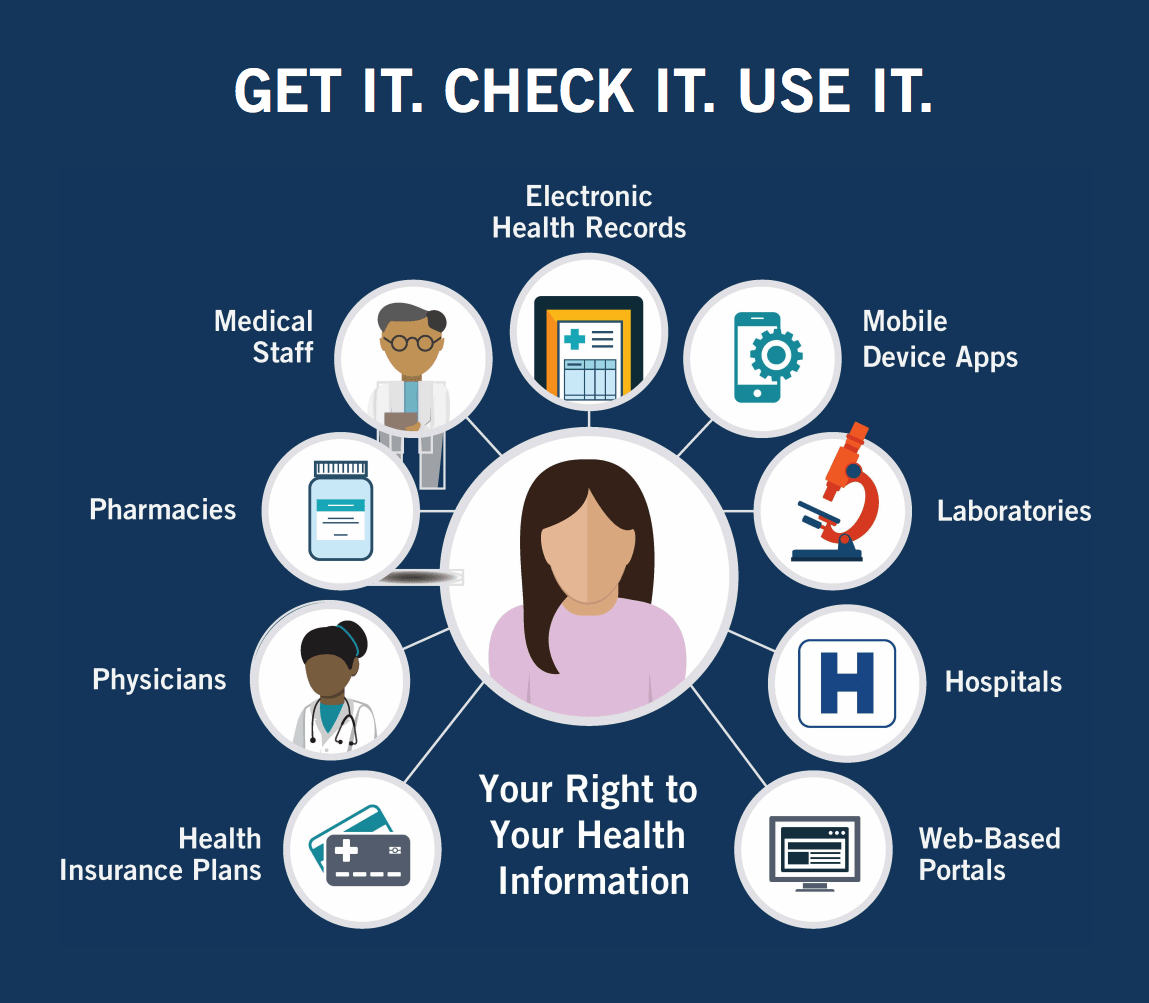
Most people agree that privacy is a fundamental human right. However, the rise of social media, digital communication, and the Internet has weakened traditional security barriers, making it easier to share documents and grant access to sensitive information with a single click. As a result, controlling who can access Personally Identifiable Information (PII) has become increasingly difficult. This challenge is especially critical for healthcare providers, who historically relied on paper records until the late 1990s and early 2000s. To address these concerns, the HIPAA Privacy Rule establishes strict guidelines for safeguarding patient data in today’s digital landscape.
(more…) -
What is HIPAA and What is its purpose?
The Health Insurance Portability and Accountability Act (HIPAA) is a U.S. law signed on August 21, 1996, that sets national standards for protecting sensitive patient health information. HIPAA Compliance was created to ensure that personal medical records remain private, secure, and accessible only to authorized individuals, while still allowing patients to access their own data.
Before HIPAA, most healthcare records were stored in paper form, and there were no federal laws regulating how health data could be shared or protected. As the healthcare industry shifted toward electronic systems in the 1990s, lawmakers recognized the need to secure digital records while keeping them available for patient care.
Since its adoption, HIPAA compliance has evolved through major updates to address new technologies and cybersecurity risks. In this article, we’ll explain how HIPAA has changed over time, why it matters for healthcare and data security, and share practical tips for staying compliant.
-

HIPAA Violation 101: Penalties and How to Avoid Them
A HIPAA violation can result in significant fines, penalties, and, in severe cases, even jail time. The consequences depend on the severity of the violation and how your organization manages protected health information (PHI).
To avoid HIPAA violations and protect your organization, it’s essential to follow compliance best practices. (more…)