
The EU US Privacy Shield is the latest in data protection frameworks to manifest since the implementation of the GDPR. In an agreement between Europe and the United States, to foster positive transatlantic trade, the framework has been developed to facilitate the easier transfer of personal data from the EU to the US.
Category: Compliance Standards
Staying informed about all of the cyber security compliance standards is essential to keeping your company safe from hackers. Read on to learn about the various steps you can take to stay up to date with your industry’s compliance standards.
-

Top 5 Industries that Need Privacy Shield Certification
When thinking about whether your company would benefit from Privacy Shield certification the most important question to answer is: is my company under the jurisdiction of the Federal Trade Commission (FTC) or the Department of Transport (DOT)? If the answer is yes, then the Privacy Shield could be of real benefit to your organization when dealing with the transatlantic transfer of personal data from the European Union to the U.S.
-

How is Privacy Shield Different from GDPR?
The EU-US Privacy Shield program was launched in early 2019 primarily as a response to two external causes; the ruling by the Court of Justice of the European Union (CJEU) which invalidated the Safe Harbour program in 2015, and the enactment of the General Data Protection Regulation (GDPR) introduced by the European Union in 2018.
-

What Does NERC CIP Stand For?
The North American Electric Reliability Corporation (NERC) is a non-profit international regulatory authority that monitors large electric power stations and ensures the safety of Bulk Electric System (BES) in America, Canada and parts of Mexico.
Given the increased sophistication of cybercriminals, it’s important to not only protect the physical assets of organizations, but also the data and information assets. A breach of any of these assets can have catastrophic effects on the safety of both IT infrastructure and human lives.
What does NERC CIP stand for and how does it apply to cybersecurity? Find out everything you need to know from the experts at RSI Security.
-

How to Become EU-US Privacy Shield Self-Certified
The latest in data privacy frameworks have come in the form of the EU US privacy shield. This framework has come about as a response to the EU General Data Protection Regulation (GDPR). The framework has been decided to meet the adequacy determination of the European commission, and now the transfer of personal data from the EU to the US can be made easier if US organizations choose to join the privacy shield framework.
-

What is EU-US Privacy Shield and Why Does it Exist?
More customers are becoming aware of data privacy when engaging with businesses online. With data breaches on the increase, many customers face issues regarding the adequate protection of personal data, especially following the event of a data breach or cyberattack. In a report given by RAND corporation, it was found that 11 percent of customers would change organization, and 23 percent would give the existing organization less business. These realities have spawned an ecosystem of regulation and data privacy awareness.
-

What Does it Mean to Be PCI DSS 4.0 Compliant?
Any company that uses and handles credit or debit payment information from consumers needs to comply with PCI DSS, short for Payment Card Industry Data Security Standard. These standards cover technical and operational practices for handling cardholder data. Maintaining payment security is becoming more and more crucial as cybercrime becomes increasingly prevalent in our world.
-
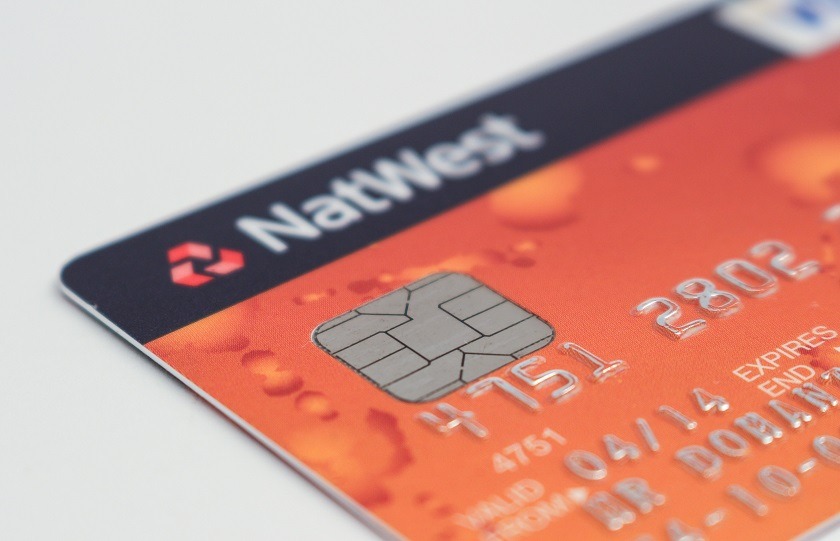
What to Expect With PCI DSS 4.0: A Complete Guide
Any business or organization that accepts and/or processes credit and debit cardholder information should already be familiar with PCI DSS v. 3.2.1. Merchants are expected – and required – to meet this standard. This has been the case since 2018.
-

What Are the Major Changes With PCI DSS 4.0?
Companies that use and transmit credit and debit card information must meet the Payment Card Industry Data Security Standard (PCI DSS) regulations. These standards were created and are regulated by the Payment Card Industry Security Standards Council (PCI SSC). The council is composed of the five major credit card companies: Mastercard, Visa, American Express, Discover, and JBC.
-

From NIST 800-171 to CMMC: A Comprehensive Defense Compliance Guide
Department of Defense contractors and subcontractors have a big change to cybersecurity governance regulations. Current cybersecurity standards (NIST 800-171) are being updated into a new framework called CMMC.