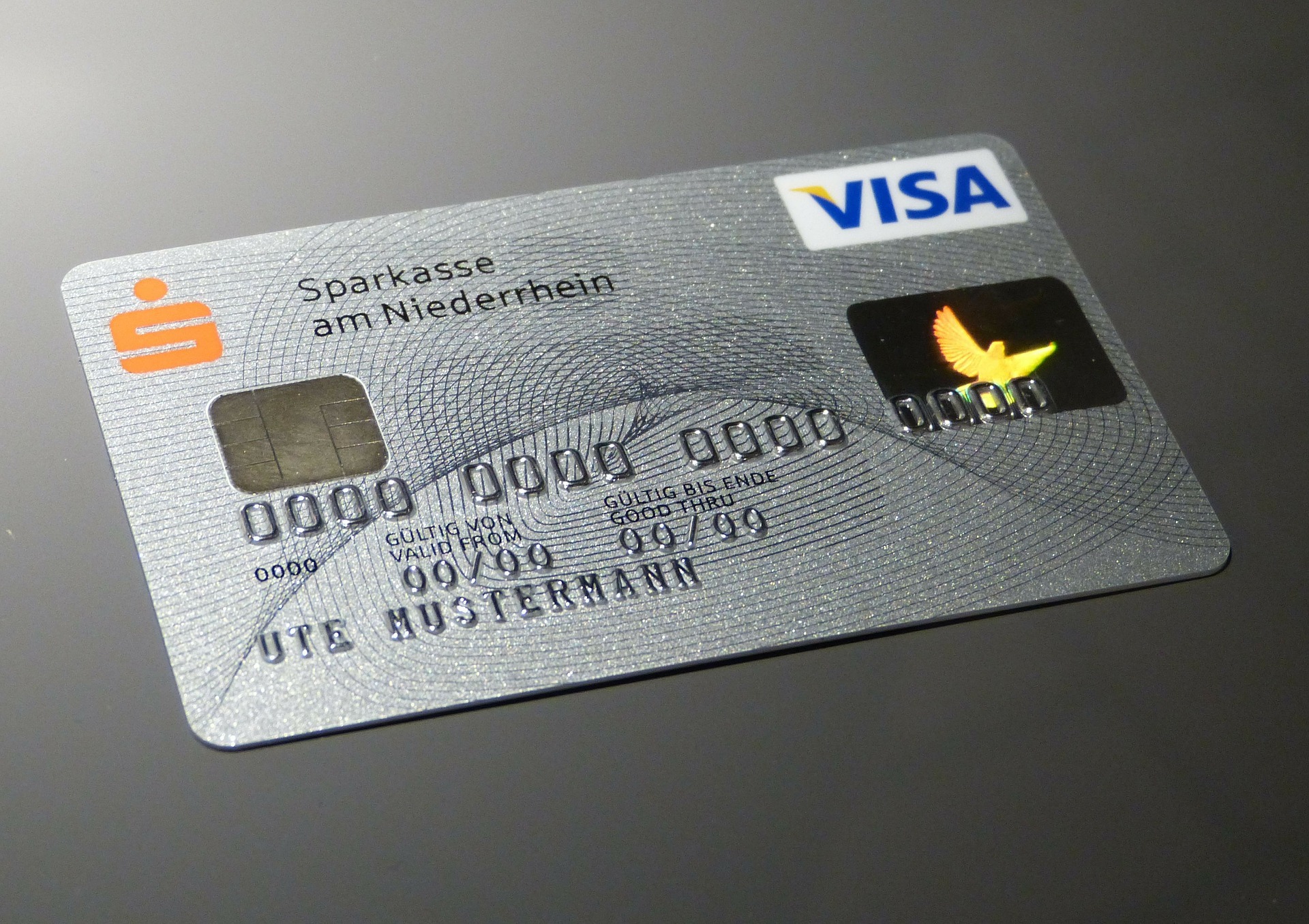
When comparing HIPAA and PCI compliance, it’s important to understand that these frameworks protect different types of sensitive data and apply to different industries. PCI stands for Payment Card Industry, most commonly referenced as the Payment Card Industry Data Security Standard (PCI DSS). It is a global security standard that governs how businesses handle credit and debit card information — whether transactions occur online, in-store, or through mobile payments.
Any organization that stores, processes, or transmits cardholder data must comply with PCI DSS. Failure to maintain PCI compliance can result in fines, increased transaction fees, or even the loss of the ability to process payments.
HIPAA, on the other hand, stands for the Health Insurance Portability and Accountability Act. It establishes strict requirements for protecting protected health information (PHI). Unlike PCI, HIPAA not only requires secure storage of data, but also ensures that authorized individuals can access medical records when needed for treatment, billing, or operations.
Because medical data contains deeply personal information, healthcare providers, insurers, and their business associates must follow strict safeguards to prevent unauthorized access.
Cybercriminals target both industries because sensitive data equals financial value. Healthcare organizations manage thousands of patient records, while e-commerce and retail businesses process massive volumes of payment card data. Both are attractive targets — but the regulatory frameworks governing them are distinct.
According to a 2013 report from the Identity Theft Resource Center, millions of breaches affected both healthcare and payment card environments. While threat levels have evolved significantly since then, security standards like HIPAA and PCI DSS exist to reduce risk and establish accountability.
Ultimately, both frameworks set high security expectations. However, understanding the key differences between HIPAA and PCI compliance is critical for determining which regulations apply to your organization.
How Data Handling Differs in HIPAA and PCI Compliance
One of the biggest differences in HIPAA and PCI compliance lies in how data must be handled.
Credit card data is primarily collected, processed, and verified during transactions. The goal under PCI DSS is straightforward: secure cardholder data and prevent unauthorized access.
Protected health information (PHI), however, must do more than remain secure. Under HIPAA, medical records must be:
- Securely stored
- Transmitted safely
- Accessible to authorized providers
- Portable when patients request access
Unlike credit card numbers, which are structured, standardized, and processed automatically by payment systems — medical records are complex. They may include physician notes, lab results, imaging files, treatment histories, billing details, and other supporting documentation.
This makes healthcare data environments more dynamic and nuanced.
Payment card transactions are typically processed through automated systems and algorithms designed to verify and approve transactions within seconds. In contrast, medical professionals rely on both qualitative and quantitative patient data to make clinical decisions. That means PHI must be both highly secure and readily available to authorized staff.
In short:
- PCI focuses on securing financial transaction data.
- HIPAA focuses on securing and enabling appropriate access to healthcare data.
Because of this difference, HIPAA compliance requires additional administrative, physical, and technical safeguards that go beyond transaction security.
Scope and Regulatory Depth: HIPAA and PCI Compliance
Another major distinction in HIPAA vs PCI compliance is regulatory scope.
PCI DSS focuses specifically on protecting cardholder data and securing payment environments. Its requirements are technical and operational, centered on preventing fraud and data theft within payment systems.
HIPAA, however, extends beyond technical safeguards. It includes:
- Privacy rights for patients
- Security requirements for electronic protected health information (ePHI)
- Breach notification obligations
- Administrative safeguards
- Physical safeguards
- Policies addressing fraud, waste, and abuse in healthcare
Because HIPAA governs how medical information is accessed, shared, and disclosed, it introduces legal and ethical considerations that go beyond transaction security.
Healthcare organizations must carefully control who can access patient information and under what circumstances it can be disclosed. These decisions often involve human judgment, clinical context, and regulatory interpretation — not just automated system controls.
In contrast, PCI compliance is largely centered on securing structured financial data within defined payment workflows.
Both frameworks are rigorous. However, HIPAA’s broader regulatory scope makes it more expansive in terms of privacy governance, while PCI remains narrowly focused on payment data protection.
Why Understanding HIPAA and PCI Compliance Matters
Understanding the difference between HIPAA vs PCI compliance is not just a regulatory issue — it’s a data protection issue that directly affects individuals and organizations.
Strong security standards reduce the risk of theft, unauthorized access, and data loss. However, the type of data being protected influences the level of risk and potential impact.
Medical records often contain personally identifiable information, insurance details, treatment histories, and financial data. Because of this depth, health records are frequently considered more valuable on the black market than standalone credit card numbers. While compromised payment data can often be canceled and reissued quickly, stolen health information can be misused for years.
That reality underscores why HIPAA enforces strict privacy controls and access governance requirements, while PCI focuses on preventing fraud within payment environments.
As digital transformation continues to reshape healthcare and commerce alike, cybersecurity practices play a critical role in maintaining trust. In healthcare especially, secure systems support better patient care by ensuring providers can access accurate information without exposing it to unnecessary risk.
Ultimately:
- PCI compliance protects financial transaction data.
- HIPAA compliance protects medical privacy and patient rights.
Both frameworks are essential, but they serve different purposes. Knowing which applies to your organization is the first step toward effective compliance and risk management.
Do You Need PCI Compliance If You’re Already HIPAA Compliant?
In most cases, yes, HIPAA compliance does not replace PCI compliance.
When comparing HIPAA vs PCI, it’s important to understand that these frameworks apply based on the type of data your organization handles, not whether you already comply with another regulation.
If your organization:
- Handles protected health information (PHI) → HIPAA applies
- Stores, processes, or transmits payment card data → PCI DSS applies
Many healthcare organizations process credit card payments for co-pays, billing, or online services. In those situations, they may need to comply with both HIPAA and PCI DSS.
Although the two frameworks share similar security principles, such as encryption, access controls, monitoring, and risk management, they are validated separately and governed by different authorities.
HIPAA is enforced by the U.S. Department of Health and Human Services (HHS), while PCI DSS is administered by the Payment Card Industry Security Standards Council (PCI SSC).
There is some overlap in technical safeguards, but compliance with one does not automatically satisfy the requirements of the other. Each framework has its own control objectives, documentation requirements, assessment methods, and validation processes.
In short:
- HIPAA protects medical and patient information.
- PCI protects payment card data.
- If your organization handles both types of data, you may need to comply with both.
Contact RSI Security to Pursuing the appropriate compliance frameworks strengthens your overall cybersecurity posture and reduces regulatory and financial risk.
Download Our HIPPA Checklist