
Ever since California passed Proposition 64, legalizing recreational marijuana, the market has grown rapidly. More dispensaries and farmers are entering the industry, contributing to what Statista forecasts as a steady increase in sales, from $5.62 billion in 2020 to an estimated $6.59 billion by 2025. California’s projected sales account for a large portion of the national growth, which is expected to reach $8.22 billion in 2020. Despite entering the market later than states like Washington, Oregon, and Colorado, California has already surpassed them in annual sales with data privacy protection .
With a robust medical marijuana market and a rapidly expanding recreational market, many customers are now asking: “Do dispensaries share my personal information with the government?” Understanding data privacy in the legal cannabis industry has never been more important.
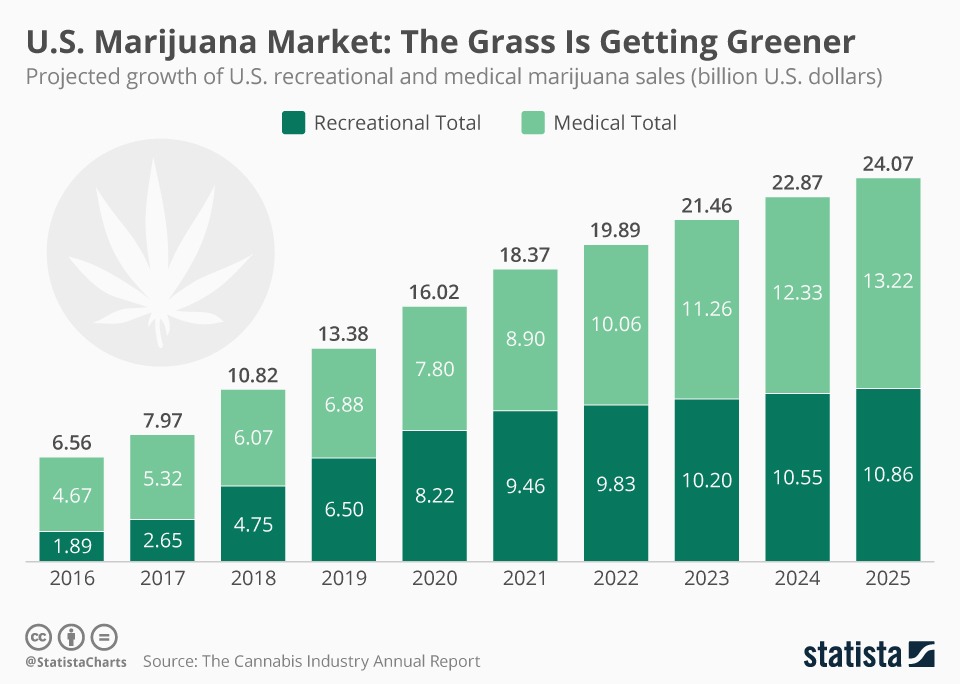

Image Source: https://www.statista.com/chart/9566/prevalence-of-drug-use-worldwide-in-2016/
Data Protection at Legal Dispensaries
Marijuana use falls into two main categories: medical and recreational.
- Medical marijuana requires a physician’s recommendation or a county-issued medical marijuana ID card.
- Recreational marijuana requires a valid ID showing the buyer is 21 or older.
The type of information collected varies depending on the category. Because of this, dispensaries implement different data privacy and cybersecurity measures to protect customer information. Understanding these protections is key to knowing how your personal data is handled when visiting a dispensary.
Medicinal Marijuana Use and Data Privacy
In 1996, California passed Proposition 215, also known as the Compassionate Use Act, which allows certain patients to use marijuana for medicinal purposes. While recreational marijuana is now legal, the medical market continues to represent a significant portion of overall marijuana sales.
Medicinal marijuana maintains strong demand for several reasons:
- Patients under 21 can purchase medicinal marijuana with a physician’s recommendation.
- County-issued medical marijuana ID cards exempt patients from sales tax.
- Patients are allowed to purchase and carry larger amounts of marijuana compared to recreational limits.
Because medical marijuana purchases involve sensitive personal information, such as physician recommendations and patient ID, dispensaries must implement robust data privacy and cybersecurity measures to protect this data. Understanding these protections helps patients feel confident their medical information is secure.
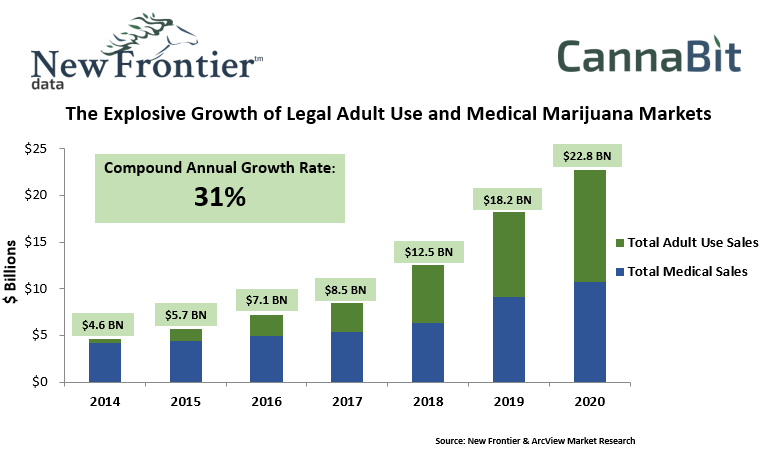

Image Source: https://newfrontierdata.com/marijuana-insights
Medicinal Marijuana and HIPAA: How Your Data is Protected
Many patients wonder: Is my data protected by HIPAA when buying medicinal marijuana? The answer is not straightforward.
What is HIPAA?
The Health Insurance Portability and Accountability Act (HIPAA), established in 1996, protects personal health information (PHI). It requires healthcare providers to safeguard patient data and prohibits them from disclosing it without consent. HIPAA defines a healthcare provider as “any person or organization that furnishes or is paid for care, services, or supplies related to the health of an individual.”
Since medical marijuana distribution centers provide marijuana for treating illnesses, they could be considered healthcare providers, and in theory, should protect client data.
Why HIPAA may not fully apply
- Most health insurance companies do not cover medicinal marijuana.
- Because distribution centers typically do not exchange information with insurers, they may not be required to meet full HIPAA compliance.
- Many centers still maintain patient records with personal information, including reasons for treatment, but may not be obligated to protect this data from hacks or accidental leaks.
Variations across dispensaries
- Some dispensaries sell cash-only, maintaining minimal records.
- Others may transfer patient data to state offices, which could subject them to HIPAA or state privacy laws.
Best practices for dispensaries
Regardless of HIPAA obligations, all dispensary owners should implement basic data privacy and cybersecurity measures, such as:
- Secure cloud storage or servers for patient records
- Strong access controls and authentication
- Regular audits to prevent data leaks
What patients should consider
Patients purchasing medicinal marijuana should check how a dispensary handles their personal data. Understanding a dispensary’s data privacy practices can help determine whether their sensitive health information is being adequately protected.
Recreational Marijuana Use and Consumer Data Privacy
Since January 1, 2018, adults 21 and older in California can legally purchase marijuana for recreational use, including buds for personal cultivation. A valid ID is the only requirement.
You might wonder: “What personal data am I giving up if all I need is an ID?” While recreational purchases don’t involve protected health information, the data you provide can still be extremely valuable to dispensaries and advertisers.
Types of data recreational dispensaries may collect:
- Purchase preferences: strains, brands, and quantities
- Shopping habits: frequency, time of day, and method of purchase (in-store, online, or mobile)
- Additional interests: related products you may buy alongside marijuana
This information helps investors and vendors understand customer behavior, improve marketing strategies, and increase sales. With recreational marijuana now legal, many distributors are collecting this data with minimal consideration for consumer data privacy.
How consumers share additional data
- Signing up for email alerts or loyalty programs
- Participating in promotions or special discounts
- Creating an online account to track purchases
Each of these actions provides dispensaries and advertisers with more insight into your purchasing habits. For consumers, understanding how a dispensary manages this data is essential for protecting their personal information and privacy.
What Are the Risks to Your Data?
The risk of your personal data being compromised depends on how a dispensary manages its records.
- Cash-only dispensaries with physical ledgers: If all transactions are recorded on paper, the likelihood of a data breach is extremely low.
- In-house digital records: Some dispensaries keep purchase records on local computers. A hacker would need physical access to steal these records, which makes breaches less likely for small operations.
However, many dispensaries, especially larger ones, are moving to the cloud for services like communication and data storage. According to a Right Scale survey of 997 IT professionals, nearly all organizations have adopted some form of cloud technology. This widespread adoption highlights the importance of cloud security.
How to protect your data as a customer
- Ask the dispensary whether they use cloud services or how they store customer records.
- Understand who has access to your information, how it is used, and how it is deleted when no longer needed.
- Be cautious about signing up for services or programs that may share your data without your knowledge.
As data breaches and misuse of personal information become more common, consumers are paying closer attention to the data they provide and how it is used. Being proactive can help safeguard your privacy and reduce potential risks.
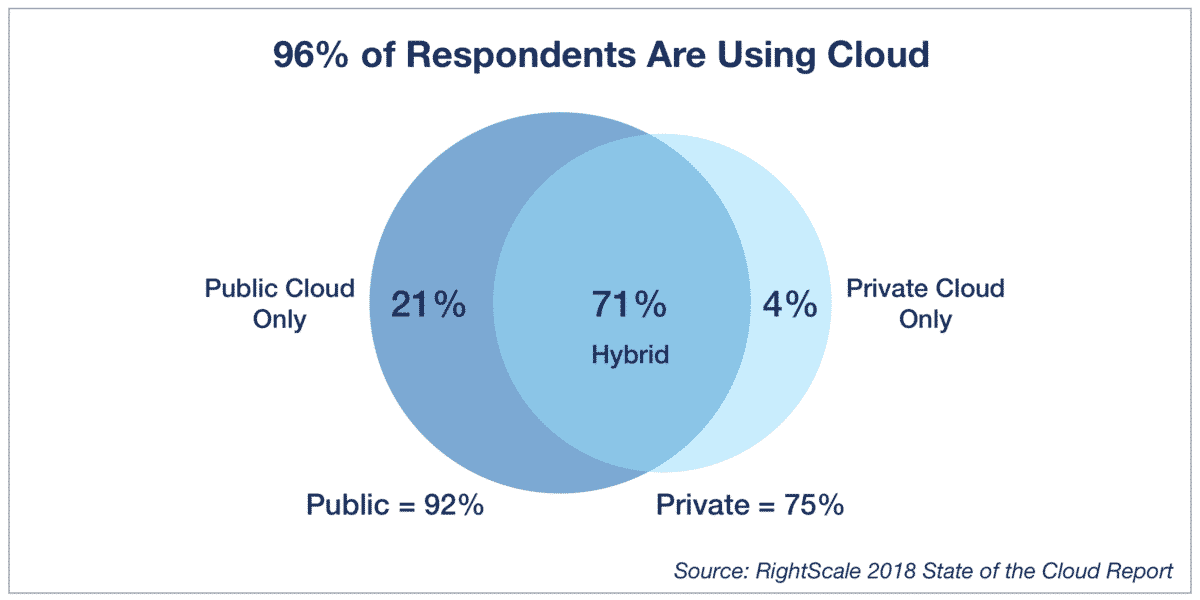

Image source: https://blogs.flexera.com/cloud/cloud-industry-insights
Data Breaches: Why Your Information Could Be at Risk
Even companies with robust cybersecurity systems can experience data breaches, putting customer data and privacy at risk.
Examples of recent breaches:
- In April, Facebook experienced a breach that exposed 146 gigabytes of user data, which can end up on the dark web or be exposed publicly.
Not all breaches are caused by hackers
- Outdated security systems: Companies that fail to update their software or security protocols can unintentionally expose data.
- Insider threats: Employees or third parties with access to sensitive information can cause breaches, either maliciously or accidentally.
A survey by Crowd Research Partners found that 53% of companies experienced insider attacks within the last 12 months, and these incidents are becoming increasingly common.
Understanding these risks highlights the importance of data privacy measures and proactive steps to protect personal information, whether you are a customer or a business owner.
Mobile Device Data Breaches and Marijuana Dispensaries
Hackers often target mobile apps to gain access to user information or servers. Mobile security is different from traditional network security, and if developers don’t prioritize it, vulnerabilities can arise.
For example, Facebook partnered with an app called At the Pool, which was hacked, exposing unprotected passwords, location IDs, photos, and friend information. What seemed like an innocuous social app became a major data privacy breach.
Why mobile security matters for dispensaries
- Younger demographics: 24% of marijuana users are 18–29, making mobile apps a key channel for dispensaries.
- Mobile apps for convenience: Apps allow users to review strains, locate dispensaries, connect with other consumers, and even order delivery.
- Security risks: Rapidly growing companies may prioritize user experience and supply chain logistics over thorough mobile security, putting customer data at risk.
With the proliferation of mobile apps in the cannabis industry, dispensaries must understand the mobile security landscape and implement strong protections to safeguard customer data and privacy.
Controlling Your Data: How to Protect Your Privacy
With constant technological developments and frequent data breaches, many users wonder: Is my data safe? The short answer is: it’s complicated.
The only way to fully protect your personal data is not to share it at all. But in today’s connected world, most people already share information daily, like reading this article online.
The key question isn’t whether your data is safe, but whether you want to share it with a specific app, company, or website.
A common example: signing up for a social network like Facebook
- When you join, you must provide personal information such as your name, birthday, and email address.
- The platform uses this information to offer services like connecting with friends, reading news, or playing games.
- In return, Facebook monetizes your data through advertising, targeting products and services based on your demographics and behavior.
For instance, a user like Bob, 61, with a family, may be shown ads for cruises, cooking classes, or timeshares, advertisements aligned with his interests. Each interaction is a transaction: you gain access to content, the platform profits from advertisers, and advertisers aim to sell products to you.
Tips for controlling your data:
- Decide what information is necessary to share for the services you want.
- Consider if the benefits of sharing your data outweigh the potential privacy risks.
- Use privacy settings and limit unnecessary data sharing whenever possible.
At the end of the day, you have control over what you share. Understanding data privacy and making intentional choices can help protect your personal information while still enjoying digital services.
Closing Thoughts: Take Control of Your Data Privacy
When you purchase marijuana from a dispensary, use a mobile app, or sign up for newsletters, ask yourself: Is the personal information I provide worth the product or service I receive?
Before sharing data, consider:
- How the company stores and protects your information.
- How they respond to data breaches.
- Whether they follow federal and state privacy regulations.
- If they partner with reputable cybersecurity providers, such as RSI Security, and hold relevant security certifications.
Ultimately, your data is in your control. Being intentional about what you share, and choosing companies that prioritize data privacy and cybersecurity, RSI Security can help protect your personal information while still enjoying the benefits of digital services.
Download Our HIPPA Checklist