
Cybersecurity is a game of preparation, hoping for the best but preparing for the worst. And with a cybersecurity management plan, you can do just that. (more…)
Blog
-

The Anatomy Of A Phishing Email
A phishing attack is a type of cyber attack that falls under the social engineering umbrella. Social engineering is a type of attack that relies very little on technological know-how. It is often the preferred attack vector for bad actors due to this.
-

How To Prevent Cloud Data Breaches
Having your head in the clouds may not be best for your business: what about your data in the cloud?
Cloud computing has enormously increased business efficiency. By minimizing the requirement for physical storage space, conveniences of cloud technology are the gift that keeps on giving.
-
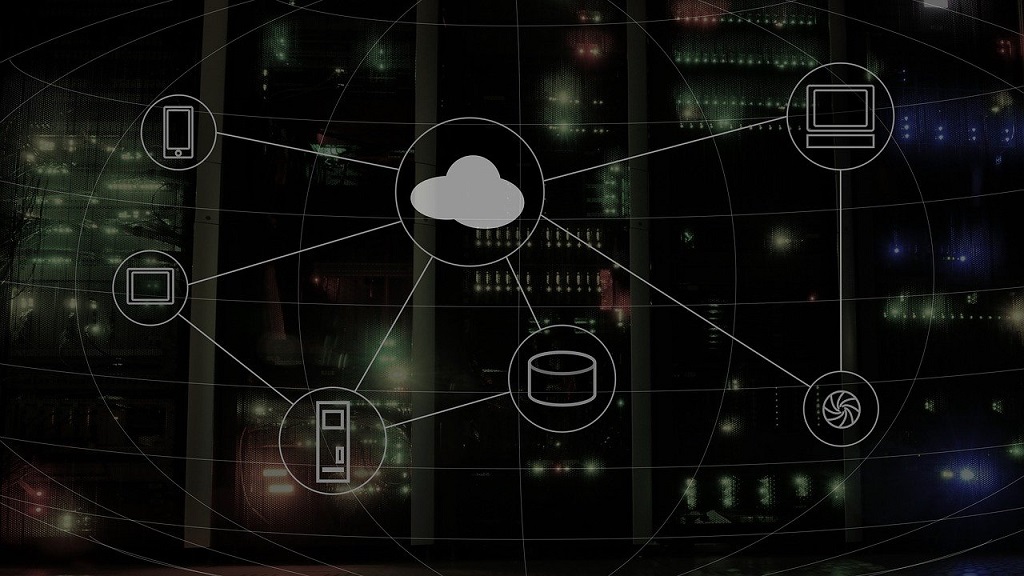
Your Guide to SOC 2 Cloud Security
One of COVID-19’s direct impacts on businesses has been the acceleration toward cloud solutions. Cloud computing and data storage have skyrocketed — in fact, cloud spending increased 37% during the first months of the pandemic. In turn, this means more companies now need to focus on their cloud security practices, especially concerning regulatory compliance requirements. For example, service organizations need to comply with the American Institute of CPAs (AICPA) SOC guidelines and SOC cloud security requirements.
-

What is a SOC 2 Report, and Do You Need One?
The American Institute of CPAs (AICPA) has determined a set of requirements your company may need to follow if it is a “service organization” that stores sensitive user data on the cloud. These requirements are known as Security Organization Controls (SOC), and audits to ensure they’re in place are referred to as SOC reporting.
-

Proposition 24 Updates To The CCPA
The California Consumer Privacy Act (CCPA) is barely in full swing, and regulators have already pushed through an update, proposition 24.Proposition 24 and the updates to the CCPA have left many businesses confused about the state of their privacy compliance.
-
How Do Firewall Managed Service Solutions Work?
Contrary to the name, firewalls are nothing to be afraid of; in fact, they offer you excellent protection against internet traffic. However, like any tool, firewalls are the most effective when used by the right craftsman. Firewall managed services take the skill and experience of a security expert and combine it with your top-end firewall to create the most secure environment for your organization.
-

What are the Types of Intrusion Detection Systems?
Cybercriminals and cybersecurity experts have been playing cat and mouse for decades. Every advance in cyber-defense technology is the result of commensurate advancements in hacking and other cybercrime methodology. This results in a seemingly endless variety of attack vectors to navigate. (more…)
-

Infrastructure Lifecycle Management Best Practices
As your company grows, so too does its infrastructure needs. Physical space, personnel, and other resources multiply in number and complexity over time. This is especially true of information technology (IT) and cybersecurity infrastructures, such as your firewalls, network protections, and security controls.
Infrastructure lifecycle management best practices are essential to keep all your stakeholders safe over your company’s evolution.
-

How Often Should You Perform Patch Management?
Firewalls, antivirus software, and other security fortifications are the most visible and apparent components of effective cybersecurity architecture implementation. However, your protocols for system monitoring and maintenance are equally critical to your defenses. You need to scan for gaps or cracks in your safeguards and patch them as needed. Both routine and unique event patch management are not just best practices but necessities.