
It’s unlawful to discriminate against people with disabilities in various areas of their lives. Disability discrimination can come in to play in education, at work, or when providing goods, facilities, and services.
Blog
-

What are the Four Organizational CIS Critical Security Controls?
In the cut and thrust of organizational life security issues may be left ‘to other people.’ This delegation of responsibility for organizational security can lead to security breaches. Changing the organizational culture from within an organization can prove to be extremely difficult, especially where there is little understanding of the threat posed or the need for change.
-

Best Mobile Device Management Tools for Business
Smartphones and tablets are influencing today’s mobile workforce and strengthening remote work.
Employees now bring their personal devices to their workplaces to secure corporate networks and this offers flexibility and ease to their jobs. Employers are now more inclined towards remote work because of its increased efficiency as well as lower equipment costs.
-

What Is NERC CIP Training?
With the constant advancements in technology there is an equal amount of cyber threats coming for your company’s most vital asset. A way to prevent the worst from happening is by following The North American Electric Reliability Corporation (NERC) standards. Those without any guidelines on how to improve company critical infrastructure can fall at the hand of those threats.
-

Why Adopting the CIS CSC Reduces Your Cyber Risk
More organizations are realizing the importance of reducing cyber-risk. With the widespread use and reliance on information technology, telecommunications, and data-driven business coupled with the somewhat alarming growth in technology, there is a growing need for organizations to integrate cybersecurity practice within the corporate culture. The Center for Internet Secruity Critical Secruity Controls (CIS CSC) framework can do just that, in this article we will discus the CIS security benefits and how it have help reduce your cyber risk.
-
Top Technology Tools for Secure Telemedicine
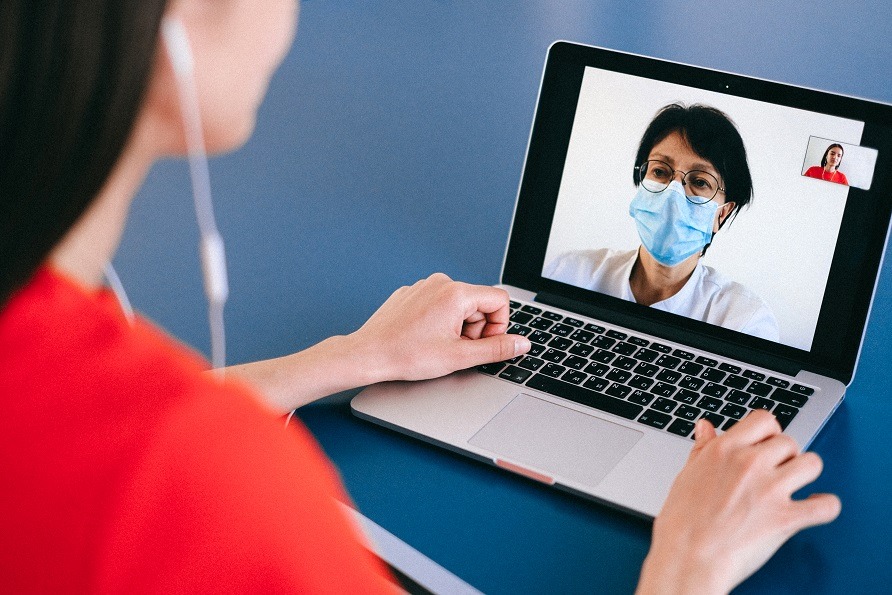
The current Covid-19 Virus pandemic has altered our way of life. After an almost global shutdown in an attempt to lessen the explosive spread of the virus, governments are, months later, slowly easing lockdown measures with a gradual return to normal activities. Technology has provided alternatives by helping businesses and organizations to either adopt more technology tools or transition into full virtual operations. Healthcare, among other sectors, has benefited. After rising mortality rates and pressure on hospital facilities, access to healthcare services had taken a nosedive.
-

Top Cybersecurity Standards for Critical Infrastructure
Cybersecurity has become a pressing concern for individuals, organizations, and governments all over the world. There are 16 critical infrastructure sectors in the United States, of great importance to public life, that a cybersecurity breach could have a devastating effect on.
-

What makes a great cybersecurity technical writer?
Critical to any cybersecurity strategy is communication. Cybersecurity technical writers build the foundation for that communication with clarifying content. Whether composing reports, synthesizing data, creating manuals, or establishing cybersecurity policy, these writers convert strategy into actionable steps.
-

Why Conduct a CCPA Audit?
If you’ve been watching the news and operate a business that collects, buys, or sells consumer information, you may be considering a CCPA audit. The California Consumer Privacy Act (CCPA) is the most extensive data privacy law in the United States.
-

Cybersecurity Pro’s and Con’s of Telemedicine Practice
Telemedicine is the future of healthcare. With it, providers are now able to deliver health-related services and information to patients anywhere, anytime. However, with new technologies come new cyberthreats. Providers have to be diligent in order to manage and allay patients’ privacy and security concerns in telehealth.