
The Cybersecurity Maturity Model Certification (CMMC) is a critical requirement for any organization that wants to work with the U.S. Department of Defense (DoD). Designed to safeguard sensitive government data, the framework has evolved to address today’s growing cybersecurity threats. With the release of CMMC 2.0, contractors must understand the updated CMMC 2.0 certification requirements to remain eligible for DoD contracts. This guide explains the major changes, outlines certification levels, and provides practical steps to help your organization prepare for compliance with confidence.
Blog
-
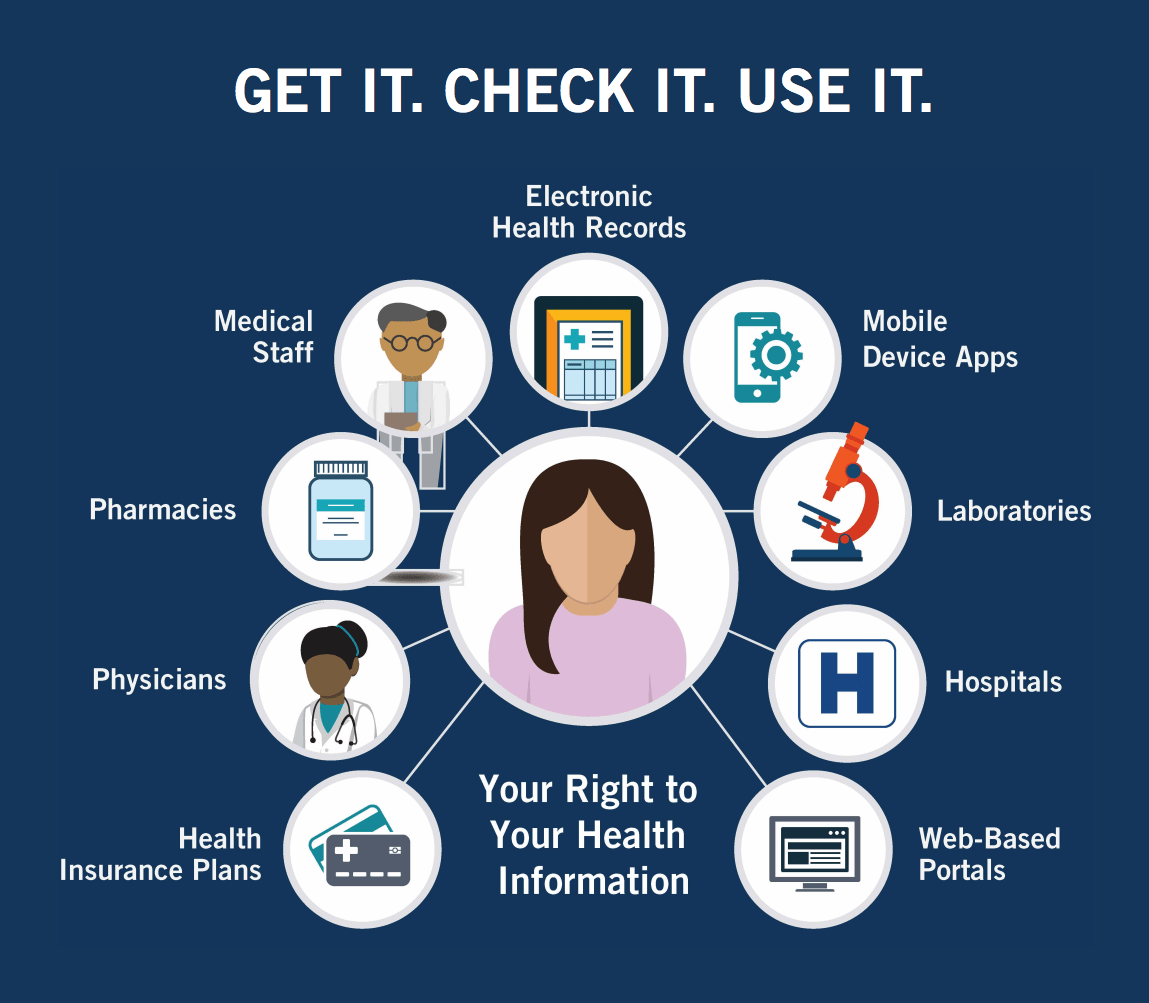
What are the top 5 Components of the HIPAA Privacy Rule?
Most people agree that privacy is a fundamental human right. However, the rise of social media, digital communication, and the Internet has weakened traditional security barriers, making it easier to share documents and grant access to sensitive information with a single click. As a result, controlling who can access Personally Identifiable Information (PII) has become increasingly difficult. This challenge is especially critical for healthcare providers, who historically relied on paper records until the late 1990s and early 2000s. To address these concerns, the HIPAA Privacy Rule establishes strict guidelines for safeguarding patient data in today’s digital landscape.
(more…) -

2026 Cyber Budget Planning with Your vCISO
Cybersecurity budget is no longer an IT exercise, in 2026, it is a board-level risk decision directly tied to enterprise value, regulatory exposure, operational resilience, and shareholder confidence.
Over the past two years, three structural shifts have changed how organizations must approach cybersecurity investment:
- AI-Driven Attacks: Threat actors are leveraging AI to automate and scale attacks.
- Regulatory Pressure: Enforcement is increasing, with mandated disclosure and transparency.
- Board Expectations: Executives demand measurable return on security investment.
Organizations can no longer justify cybersecurity budgets based on breach headlines, or tool refresh cycles. In 2026, cyber budget planning must be risk-quantified, compliance-aligned, and measurable in business terms. This is where a virtual Chief Information Security Officer (vCISO) becomes essential.
A vCISO does more than recommend tools or policies—they translate cyber risk into financial impact, align security roadmaps with business strategy, and build defensible, board-ready budgets rooted in measurable risk reduction. (more…)
-

What is HIPAA and What is its purpose?
The Health Insurance Portability and Accountability Act (HIPAA) is a U.S. law signed on August 21, 1996, that sets national standards for protecting sensitive patient health information. HIPAA Compliance was created to ensure that personal medical records remain private, secure, and accessible only to authorized individuals, while still allowing patients to access their own data.
Before HIPAA, most healthcare records were stored in paper form, and there were no federal laws regulating how health data could be shared or protected. As the healthcare industry shifted toward electronic systems in the 1990s, lawmakers recognized the need to secure digital records while keeping them available for patient care.
Since its adoption, HIPAA compliance has evolved through major updates to address new technologies and cybersecurity risks. In this article, we’ll explain how HIPAA has changed over time, why it matters for healthcare and data security, and share practical tips for staying compliant.
-

HIPAA Violation 101: Penalties and How to Avoid Them
A HIPAA violation can result in significant fines, penalties, and, in severe cases, even jail time. The consequences depend on the severity of the violation and how your organization manages protected health information (PHI).
To avoid HIPAA violations and protect your organization, it’s essential to follow compliance best practices. (more…)
-

The Benefits of C3PAO Assessment Services
Navigating CMMC 2.0 compliance can be challenging for organizations in the defense supply chain. The framework introduces strict cybersecurity requirements designed to protect Controlled Unclassified Information (CUI), and meeting these standards requires careful planning and execution. A C3PAO assessment helps simplify this process. Certified Third-Party Assessment Organizations (C3PAOs) evaluate your organization’s cybersecurity controls and determine whether they meet the requirements for CMMC certification.
Beyond performing the official C3PAO assessment, these organizations help guide businesses through the complexities of the framework. They provide expert scoping, support compliance planning, and deliver detailed evaluations needed to achieve Department of Defense (DoD) certification.
Working with a C3PAO also helps organizations maintain compliance over time. Their guidance supports ongoing control management, audit readiness, and preparation for future recertification.
By partnering with a C3PAO, organizations can streamline the C3PAO assessment process, strengthen their cybersecurity posture, and focus on core business operations while meeting DoD cybersecurity requirements.
Keep reading to learn the key benefits of a C3PAO assessment and how it can support long-term CMMC compliance. (more…)
-

What are Covered Entities Under HIPAA?
The Health Insurance Portability and Accountability Act of 1996 (HIPAA) was created to protect Protected Health Information (PHI) and ensure that organizations handling sensitive healthcare data maintain strong privacy and security controls. Organizations that collect, store, process, or transmit patient information may be classified as HIPAA covered entities. These organizations must follow strict regulatory requirements designed to safeguard healthcare data from unauthorized access, breaches, and cyber threats.
But how do you know if your organization qualifies as a HIPAA-covered entity?
In this guide, we explain what HIPAA-covered entities are, which organizations fall into this category, and what compliance requirements they must follow. (more…)
-

How to Keep Your HIPAA Compliance Efforts Up to Date
Sensitive patient health information is a high-value target for hackers, and the frequency and severity of healthcare data breaches continue to rise. For example, 142 healthcare breaches exposed more than 3.15 million patient records in just the second quarter of 2018. As data breaches increase year over year, it’s critical for medical practices and healthcare organizations to ensure proper protection and handling of personal health information. The Health Information Technology for Economic and Clinical Health Act (HITECH) expanded the reach of HIPAA (Health Insurance Portability and Accountability Act), making HIPAA compliance essential across a broader range of organizations. Whether you operate a healthcare facility or provide related services, understanding and maintaining HIPAA compliance is key to protecting sensitive patient data and avoiding costly violations.
-

Top Challenges Faced by C3PAOs in the CMMC Certification Process
As the deadline for the Cybersecurity Maturity Model Certification (CMMC) approaches, Department of Defense (DoD) contractors are turning to Third-Party Assessor Organizations (C3PAOs) to guide them through the certification process. These authorized assessors play a vital role in helping contractors achieve compliance and safeguard sensitive defense information.
However, while the CMMC framework is designed to strengthen cybersecurity across the Defense Industrial Base (DIB), C3PAOs face unique challenges during assessments. From resource limitations to evolving requirements, these obstacles can impact both assessors and contractors.
In this article, we’ll explore the top challenges faced by C3PAOs in the CMMC certification process, and what they mean for organizations preparing for compliance.
-

Understanding NIST SP 800-171, CMMC, and NIST SP 800-53: A Guide for Government Contractors
If your organization works with the U.S. Department of Defense (DoD) or other federal agencies, it’s essential to understand how compliance frameworks like NIST SP 800-171, CMMC, and NIST SP 800-53 affect your eligibility for contracts.
These standards are designed to protect Controlled Unclassified Information (CUI) and other sensitive federal data from cyber threats.
In this guide, we’ll explain:
- What each framework requires
- How they overlap and differ
- What steps your organization must take to achieve and maintain compliance
Whether you’re pursuing a DoD contract or supporting another federal agency, understanding these cybersecurity frameworks is key to staying secure—and competitive. (more…)